

PT-141, also known as Bremelanotide, is a melanocortin receptor agonist that originates from the peptide hormone α-MSH (alpha-melanocyte-stimulating hormone). Unlike agents that target the vascular system, PT-141 acts through the central nervous system, influencing neural pathways associated with arousal, desire, and reward. Its mechanisms are distinct from vasodilators, making it valuable for scientific investigation into neuroendocrine function and sexual behavior.
The peptide operates primarily through melanocortin receptors MC3R and MC4R, which play important roles in mood, appetite regulation, and autonomic functions. Research has shown that stimulating these receptors increases signaling in brain regions associated with arousal. These pathways are independent of nitric oxide, which is the primary mediator in many vascular-targeting compounds.
PT-141 was originally discovered while researchers were studying melanotan peptides for pigmentation effects. During early investigations, subjects reported unexpected increases in sexual desire and arousal. This led to focused development of PT-141, a selective analog optimized to target neural melanocortin pathways without significant pigmentary effects.
One of the unique characteristics of PT-141 is its central mechanism of action. Instead of influencing blood flow to produce physiological arousal, PT-141 works on the neurological level where desire originates. This allows researchers to separate psychological and neurological contributors to sexual function from purely vascular components.
PT-141 has been studied extensively for its potential in models of hypoactive sexual desire, where the primary challenge lies in reduced central arousal signaling rather than poor circulation. The melanocortin system directly modulates libido, reward-seeking behavior, and emotional response, making PT-141 a strong candidate for neurobehavioral studies.
In preclinical models, PT-141 has shown dose-dependent activation of hypothalamic pathways linked to motivation and autonomic response. These effects are associated with increased sympathetic outflow, which may contribute to arousal signals originating from the brain rather than peripheral tissues.
The peptide’s influence on the limbic system is a key area of study. The limbic system governs emotional processing, memory formation, and behavioral response. Activation of MC4R within this region has been shown to elevate desire-related behaviors in both male and female animal models.
One of the defining advantages of PT-141 is its ability to bypass the limitations of vascular function. In research scenarios where nitric oxide pathways are impaired—such as diabetes, certain cardiovascular conditions, or age-related endothelial dysfunction—PT-141 can still elicit a measurable response because its mechanism is not reliant on vasodilation.
PT-141 has also been explored for its effects on mood and stress regulation. The melanocortin receptors involved in arousal are also connected to pathways that influence anxiety levels and emotional resilience. Early studies suggest that modulation of these receptors may have broader implications beyond sexual function.
The peptide does not significantly influence hormones such as testosterone, estrogen, or cortisol at typical research dosages. This makes PT-141 a cleaner investigative tool for targeting neurological pathways specifically associated with arousal without altering major endocrine systems.
PT-141’s origins in the α-MSH family provide insight into its broader physiological potential. α-MSH peptides participate in appetite control, inflammation modulation, and energy balance. Though PT-141 is designed to isolate the arousal-related effects, researchers continue to monitor potential secondary actions in metabolic or neuroimmune pathways.
Studies involving PT-141 often highlight its rapid onset of neurological activity. Once administered, the peptide’s effects can appear within a relatively short timeframe, demonstrating strong receptor affinity and efficient crossing of central nervous system signaling boundaries.
In female sexual function research, PT-141 has been associated with increases in libido, arousal sensation, and overall sexual desire. Because female sexual dysfunction often stems from complex emotional and neurological factors rather than mechanical ones, PT-141 provides a promising model to explore central arousal systems.
Male sexual function models have also shown strong responses to PT-141. Since many male dysfunction cases involve a combination of psychological and vascular factors, PT-141’s neurological activation provides insight into how central stimulation may complement or enhance physiological mechanisms.
The peptide’s relationship to appetite pathways is another point of interest. MC4R plays a major role in regulating hunger and energy expenditure. While PT-141’s arousal-specific design minimizes appetite-related effects, subtle interactions may occur in select research models, especially concerning reward circuits.
PT-141’s role in dopamine-associated signaling is an emerging field of study. Because desire and reward are heavily influenced by dopaminergic pathways, the peptide’s adjacent activity in the melanocortin system offers researchers opportunities to explore cross-communication between these neural networks.
Side effect profiles in research typically involve transient flushing or mild nausea due to central melanocortin activation. These effects are tied to the peptide’s direct CNS involvement rather than peripheral vasodilation. Understanding these responses helps researchers better map melanocortin-related brain activity.
PT-141 has been reviewed for its potential role in mood regulation because MC3R and MC4R pathways intersect with emotional processing circuits. While its primary focus remains arousal, researchers are investigating whether melanocortin stimulation may influence resilience, motivation, and emotional wellbeing.
The peptide offers a valuable tool for studying the neurobiology of desire. Human desire is a complex interplay of hormonal, neurological, psychological, and sensory components. PT-141’s ability to activate desire at the central level allows scientists to isolate and observe the neurological foundation of arousal.
In couples’ behavior research, PT-141 allows researchers to examine relational and psychological influences on arousal. Because the peptide acts on desire rather than performance, it offers a distinct model for exploring interpersonal dynamics and emotional intimacy.
Pharmacokinetic studies show that PT-141 has good stability and predictable metabolic behavior. This consistency supports controlled research environments and repeatable experimental outcomes, critical components for building reliable scientific data.
PT-141 has been evaluated in animal models for its potential influence on cardiovascular autonomic output. While it does not act as a vasodilator, its activation of the sympathetic nervous system may produce secondary effects such as increased heart rate or heightened alertness, depending on dose and model.
Psychosexual research also utilizes PT-141 to distinguish between arousal and performance pathways. Arousal begins in the brain, and PT-141 targets that first step directly. By studying this mechanism, scientists gain insight into how psychological stimulation transitions into physiological response.
There is growing interest in how PT-141 might interact with neuroinflammation markers. Since melanocortin peptides have demonstrated anti-inflammatory qualities in other contexts, PT-141 may hold unexplored potential in neurological inflammation models.
In studies involving stress-related sexual dysfunction, PT-141’s activation of central pathways may help researchers understand how chronic stress blunts desire. Since stress impacts the brain more than the vascular system, centrally acting peptides like PT-141 provide particularly valuable insight.
PT-141’s selectivity and design make it a strong candidate for combination research. When paired with peptides that influence hormones, metabolism, or recovery, PT-141 helps delineate how arousal-specific neural activity interacts with broader physiological systems.
The peptide’s unique ability to produce neurological arousal without depending on hormonal changes or improved circulation continues to make it one of the most important investigational tools in sexual health research. Its broad relevance extends beyond arousal and touches neurobiology, psychology, and behavior.
Overall, PT-141 represents a significant advancement in the study of central arousal pathways. It shifts focus from mechanical or hormonal components to the neurological foundation of desire itself. As research continues to evolve, PT-141 remains a key peptide for understanding the brain’s role in human arousal, motivation, and emotional response.
Hot
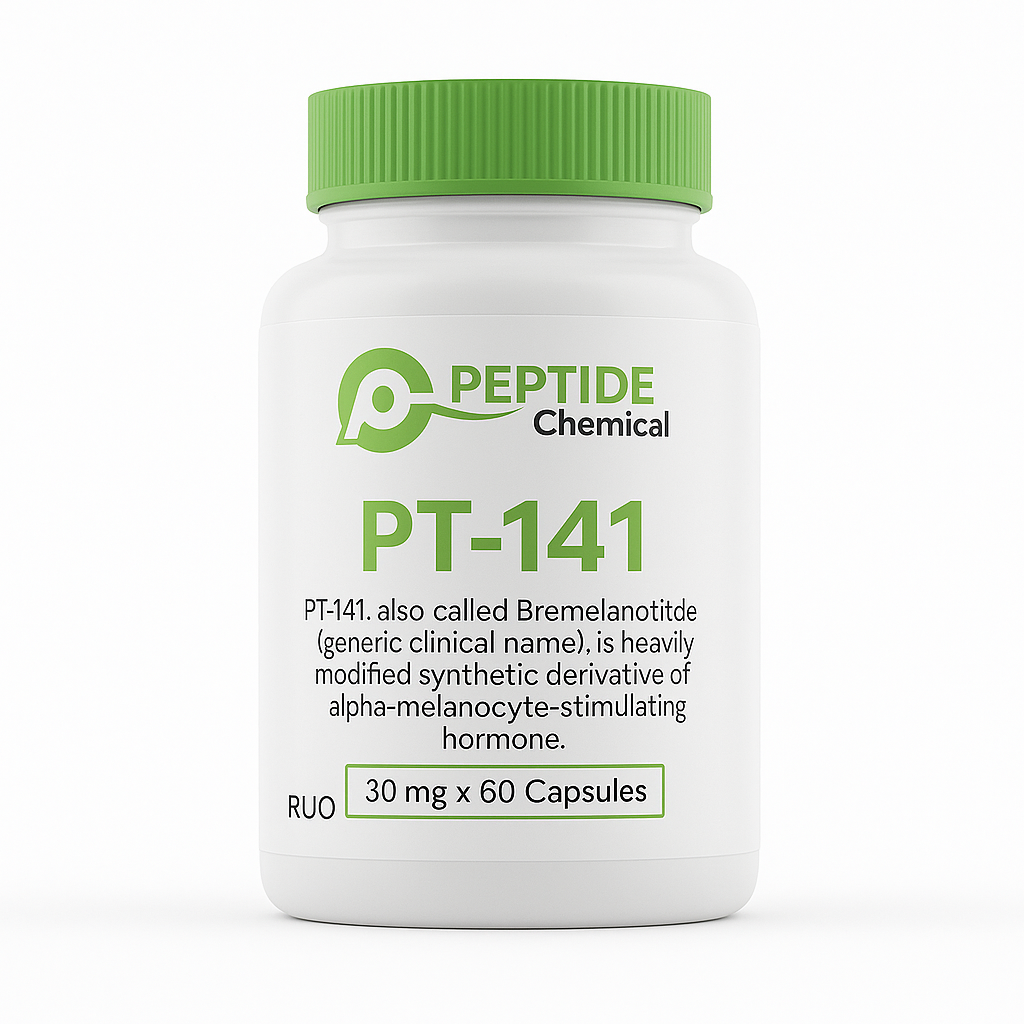
PT-141 (3mg x 10 Vials = 30mg)
$140.00
PT-141, also called Bremelanotide (generic clinical name), is a heavily modified synthetic derivative of alpha-melanocyte-stimulating hormone. It has been tested in clinical trials as a treatment for both male/female hypoactive sexual desire disorder and acute hemorrhage. PT-141 is an agonist for the melanocortin-4 and melanocortin-1 receptors. Research shows that it promotes sexual arousal and stimulates the immune system.
Description
Shipping & Delivery
Related products
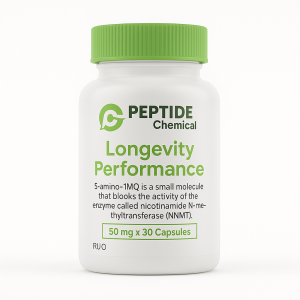
Longevity, Performance & Obesity Research (60 Capsules)
5-amino-1MQ is a small molecule that blocks the activity of the enzyme called nicotinamide N-methyltransferase (NNMT). By blocking NNMT, 5-amino-1MQ stimulates an increase in NAD+, a cofactor that is central to cellular metabolism, thereby increasing metabolic rate and activating a gene called sirtuin-1 (SIRT1). SIRT1 is also known as the "longevity gene" because of its role in reducing the risk of diabetes, obesity, metabolic syndrome, atherosclerosis and other forms of cardiovascular disease, kidney disease, liver disease, neurodegeneration, and cancer.
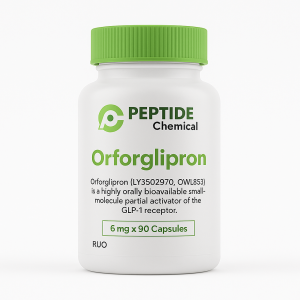
Orforglipron (6mg x 90 Capsules)



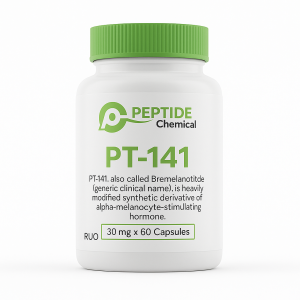
PT-141
PT-141, also called Bremelanotide (generic clinical name), is a heavily modified synthetic derivative of alpha-melanocyte-stimulating hormone. It has been tested in clinical trials as a treatment for both male/female hypoactive sexual desire disorder and acute hemorrhage. PT-141 is an agonist for the melanocortin-4 and melanocortin-1 receptors. Research shows that it promotes sexual arousal and stimulates the immune system.
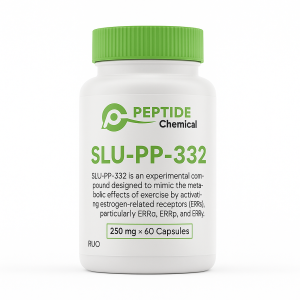
SLU-PP-332
SLU-PP-332 (250mcg x 60 Capsules = 15,000mcg) SLU-PP-332 (1000mcg x 30 Capsules = 30,000mcg) SLU-PP-332 is an experimental compound designed to mimic the metabolic effects of exercise by activating estrogen-related receptors (ERRs), particularly ERRα, ERRβ, and ERRγ. This activation leads to increased energy expenditure, enhanced fatty acid oxidation, and improved mitochondrial function.
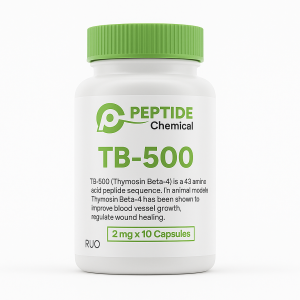
TB-500 (Thymosin Beta-4) (43aa)
TB-500 (Thymosin Beta-4) is a 43 amino acid peptide sequence. In animal models, Thymosin Beta-4 has been shown to improve blood vessel growth, regulate wound healing, decrease inflammation, and reduce oxidative damage in the heart and central nervous system. Thymosin-beta-4 has a role in protection, tissue repair, regeneration and remodeling of injured or damaged tissues. It is also of active interest in anti-aging research.



Reviews
There are no reviews yet.