

Lemon Bottle
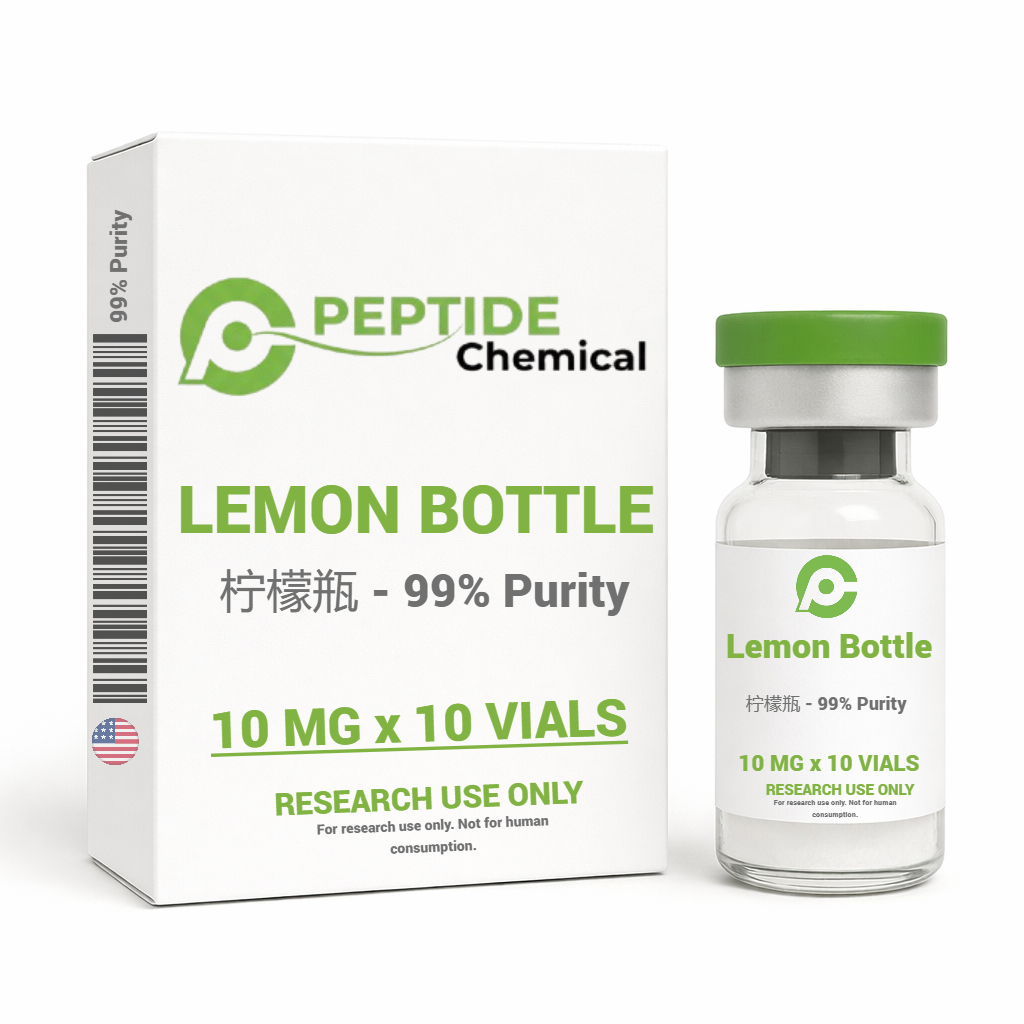
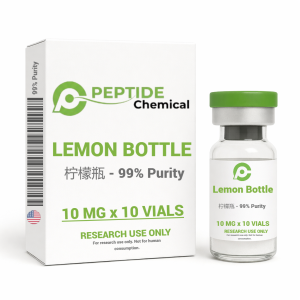
Lemon Bottle is a formulation commonly referenced in cosmetic and aesthetic research discussions for its association with localized fat-related studies. It is known for combining bioactive components that are examined for their interaction with adipose tissue and metabolic signaling at the cellular level.
In non-clinical research and cosmetic science contexts, Lemon Bottle is often discussed in relation to lipolytic pathways. These pathways are involved in how fat cells store and release energy, making the formulation relevant to studies exploring adipocyte behavior and localized tissue response.
One of the defining characteristics of Lemon Bottle is its non-anesthetic formulation profile. Unlike many traditional cosmetic compounds, it is frequently described as being free from numbing agents, which has contributed to interest in its biochemical composition rather than procedural application.
Lemon Bottle is also studied for its ingredient synergy. The formulation typically includes compounds examined for their roles in fat metabolism, cellular permeability, and localized tissue signaling, allowing researchers to explore how combined components influence biological response.
In cosmetic science research, Lemon Bottle is often referenced in discussions around non-surgical aesthetic innovation. Its composition supports investigation into alternatives to invasive cosmetic techniques, focusing instead on biochemical interaction.
Researchers examining adipose tissue behavior are interested in how formulations like Lemon Bottle interact with fat cell membranes and metabolic activity. This makes it relevant in studies centered on cellular structure and energy storage dynamics.
The formulation is also discussed in relation to lymphatic and metabolic processing research. Understanding how byproducts of fat metabolism are handled by surrounding systems is a key area of interest in cosmetic biology.
Lemon Bottle’s growing visibility has led to its inclusion in comparative cosmetic research, where it is evaluated alongside other fat-related cosmetic formulations to better understand differences in ingredient function and tissue interaction.
Because cosmetic outcomes are influenced by multiple biological factors, Lemon Bottle is often examined within broader systems-based research rather than isolated ingredient studies. This holistic approach provides a clearer understanding of how cosmetic formulations interact with biological tissues.
The formulation’s stability and consistency are important considerations in research environments. Reliable composition allows for reproducible observation and controlled evaluation in laboratory or cosmetic science settings.
Lemon Bottle is also of interest in formulation science, where researchers analyze how emulsifiers, solvents, and active components work together to maintain product integrity and effectiveness.
Unlike pharmaceutical compounds, Lemon Bottle is typically discussed within cosmetic and aesthetic research frameworks rather than therapeutic ones. This distinction supports its use in non-medical scientific exploration.
As cosmetic science continues to evolve, Lemon Bottle remains a subject of interest for researchers studying modern aesthetic formulation trends and ingredient innovation.
Its role in ongoing cosmetic research reflects the growing demand for non-invasive, formulation-based approaches to aesthetic science and tissue interaction.
Lemon Bottle
$65.00
Lemon Bottle is a formulation commonly referenced in cosmetic and aesthetic research discussions for its association with localized fat-related studies. It is known for combining bioactive components that are examined for their interaction with adipose tissue and metabolic signaling at the cellular level.
Related products
AOD9604 6mg
AOD9604 is a modified version of the hGH fragment 176-191 peptide (contains a di-sulfide bridge) and thus a derivative of human growth hormone (hGH). Originally developed as a lipolytic (fat burning) compound, AOD9604 has shown benefit in studies of heart disease, osteoarthritis/cartilage repair, and metabolic syndrome. AOD9604 stimulates lipolysis (the breakdown or destruction of fat) and inhibits lipogenesis in animal studies.
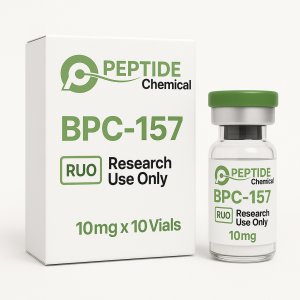
BPC-157 10mg
 BPC-157 has undergone a great deal of research because its healing abilities extend well beyond the lining of the stomach. Studies in animal models indicate that BPC-157 can enhance angiogenesis, promote wound healing, stimulate collagen synthesis, modulate the inflammatory response, and protect against oxidative stress. The peptide has shown benefits in animal models with inflammatory bowel disease, GI ulcers, musculoskeletal injuries, heart damage, eye injuries and neurological damage. Research has shown that the oral bioavailability of BPC-157 is quite high.
 BPC-157, TB-500, KPV, GHK-Cu 80mg (Klow Blend)
BPC-157 has undergone a great deal of research because its healing abilities extend well beyond the lining of the stomach. Studies in animal models indicate that BPC-157 can enhance angiogenesis, promote wound healing, stimulate collagen synthesis, modulate the inflammatory response, and protect against oxidative stress. The peptide has shown benefits in animal models with inflammatory bowel disease, GI ulcers, musculoskeletal injuries, heart damage, eye injuries and neurological damage. Research has shown that the oral bioavailability of BPC-157 is quite high. 
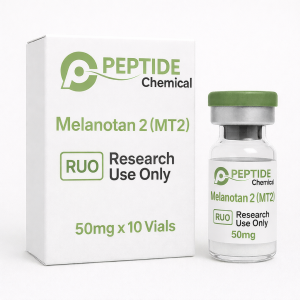
Melanotan 2 (MT2) (3mg x 10 Vials = 30mg)
Melanotan-2 (MT-2) is a synthetic derivative of human alpha-melanocyte-stimulating hormone (α-MSH), developed at the University of Arizona in the 1980s. The initial purpose was to create a sunless tanning alternative, inspired by α-MSH's ability to induce sexual arousal and skin darkening in rodents. However, as research progressed, MT-2's diverse effects were unveiled. These include enhancing sexual arousal, promoting skin pigmentation, reducing compulsive behavior, managing addiction, suppressing hunger, decreasing glucagon production, and even potentially reversing certain features associated with autism. Melanotan-2 research has shown it to enhance sexual arousal, promote skin pigmentation through melanocyte activation and reduce compulsive/addictive behaviors.
NAD+
NAD+ (nicotinamide adenine dinucleotide) is a vital coenzyme in all living cells, essential for metabolic processes and cellular function. It acts as a mediator of redox reactions, alternating between its oxidized (NAD+) and reduced (NADH) forms to facilitate electron transfer, crucial for energy production and sustaining life. Involved in over 500 enzymatic reactions, NAD+ is central to maintaining cellular homeostasis. Research shows that NAD+ may be beneficial in improving muscle function, protecting cells of the nervous system, and generally reducing the effects of aging.
Beyond energy metabolism, NAD+ supports DNA repair and gene regulation through enzymes like sirtuins and PARPs. Sirtuins use NAD+ to regulate cellular functions such as DNA repair, gene expression, and aging, while PARPs utilize it to repair DNA damage and maintain genomic stability. These roles underscore NAD+'s importance in cellular integrity and combating aging.



Reviews
There are no reviews yet.