

Lemon Bottle
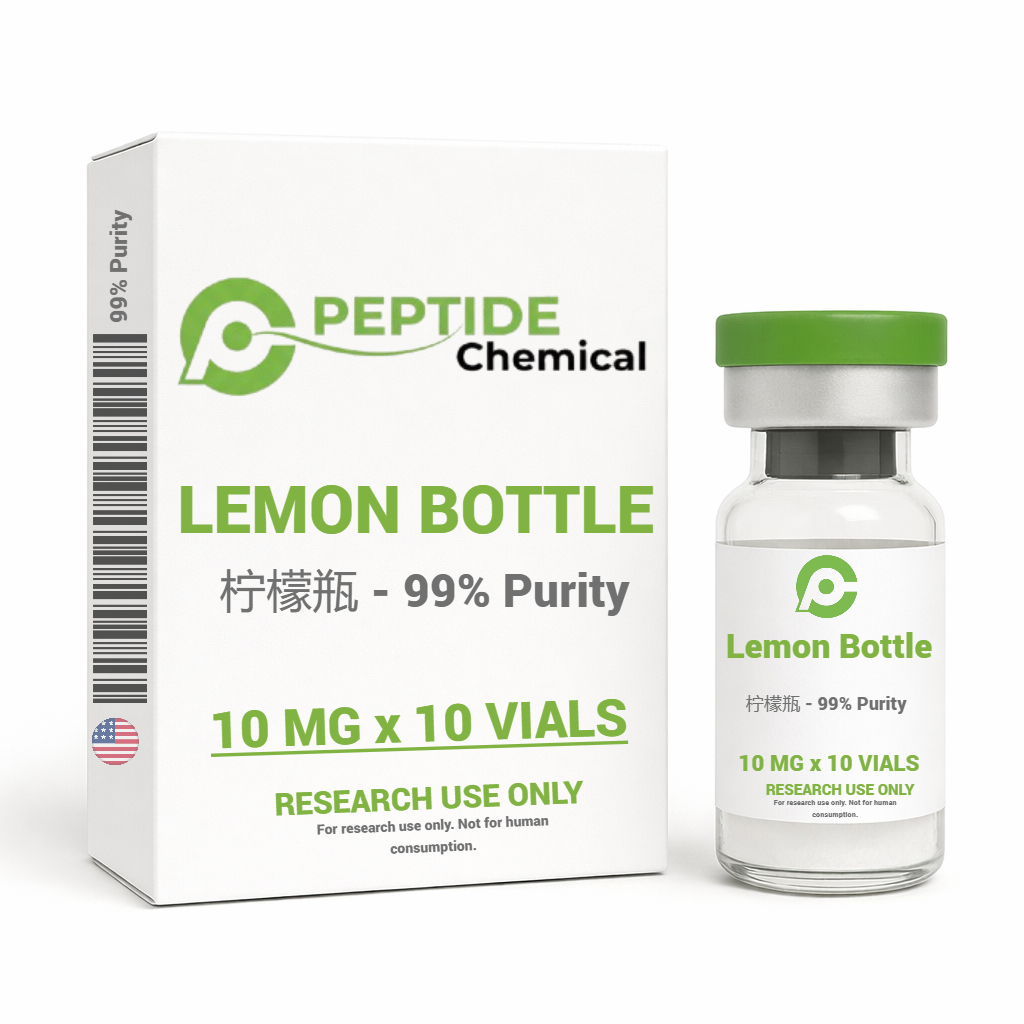
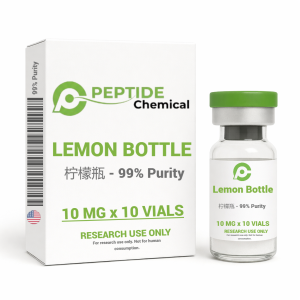
Lemon Bottle is a formulation commonly referenced in cosmetic and aesthetic research discussions for its association with localized fat-related studies. It is known for combining bioactive components that are examined for their interaction with adipose tissue and metabolic signaling at the cellular level.
In non-clinical research and cosmetic science contexts, Lemon Bottle is often discussed in relation to lipolytic pathways. These pathways are involved in how fat cells store and release energy, making the formulation relevant to studies exploring adipocyte behavior and localized tissue response.
One of the defining characteristics of Lemon Bottle is its non-anesthetic formulation profile. Unlike many traditional cosmetic compounds, it is frequently described as being free from numbing agents, which has contributed to interest in its biochemical composition rather than procedural application.
Lemon Bottle is also studied for its ingredient synergy. The formulation typically includes compounds examined for their roles in fat metabolism, cellular permeability, and localized tissue signaling, allowing researchers to explore how combined components influence biological response.
In cosmetic science research, Lemon Bottle is often referenced in discussions around non-surgical aesthetic innovation. Its composition supports investigation into alternatives to invasive cosmetic techniques, focusing instead on biochemical interaction.
Researchers examining adipose tissue behavior are interested in how formulations like Lemon Bottle interact with fat cell membranes and metabolic activity. This makes it relevant in studies centered on cellular structure and energy storage dynamics.
The formulation is also discussed in relation to lymphatic and metabolic processing research. Understanding how byproducts of fat metabolism are handled by surrounding systems is a key area of interest in cosmetic biology.
Lemon Bottle’s growing visibility has led to its inclusion in comparative cosmetic research, where it is evaluated alongside other fat-related cosmetic formulations to better understand differences in ingredient function and tissue interaction.
Because cosmetic outcomes are influenced by multiple biological factors, Lemon Bottle is often examined within broader systems-based research rather than isolated ingredient studies. This holistic approach provides a clearer understanding of how cosmetic formulations interact with biological tissues.
The formulation’s stability and consistency are important considerations in research environments. Reliable composition allows for reproducible observation and controlled evaluation in laboratory or cosmetic science settings.
Lemon Bottle is also of interest in formulation science, where researchers analyze how emulsifiers, solvents, and active components work together to maintain product integrity and effectiveness.
Unlike pharmaceutical compounds, Lemon Bottle is typically discussed within cosmetic and aesthetic research frameworks rather than therapeutic ones. This distinction supports its use in non-medical scientific exploration.
As cosmetic science continues to evolve, Lemon Bottle remains a subject of interest for researchers studying modern aesthetic formulation trends and ingredient innovation.
Its role in ongoing cosmetic research reflects the growing demand for non-invasive, formulation-based approaches to aesthetic science and tissue interaction.
HotNew
Lemon Bottle
$65.00
Lemon Bottle is a formulation commonly referenced in cosmetic and aesthetic research discussions for its association with localized fat-related studies. It is known for combining bioactive components that are examined for their interaction with adipose tissue and metabolic signaling at the cellular level.
Description
Shipping & Delivery
Related products
AOD9604 6mg
AOD9604 is a modified version of the hGH fragment 176-191 peptide (contains a di-sulfide bridge) and thus a derivative of human growth hormone (hGH). Originally developed as a lipolytic (fat burning) compound, AOD9604 has shown benefit in studies of heart disease, osteoarthritis/cartilage repair, and metabolic syndrome. AOD9604 stimulates lipolysis (the breakdown or destruction of fat) and inhibits lipogenesis in animal studies.
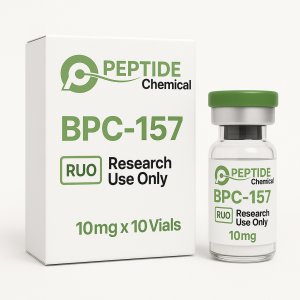
BPC-157 5mg
 BPC-157 has undergone a great deal of research because its healing abilities extend well beyond the lining of the stomach. Studies in animal models indicate that BPC-157 can enhance angiogenesis, promote wound healing, stimulate collagen synthesis, modulate the inflammatory response, and protect against oxidative stress. The peptide has shown benefits in animal models with inflammatory bowel disease, GI ulcers, musculoskeletal injuries, heart damage, eye injuries and neurological damage. Research has shown that the oral bioavailability of BPC-157 is quite high.
 BPC-157, TB-500, GHK-Cu (Glow Blend)
BPC-157 has undergone a great deal of research because its healing abilities extend well beyond the lining of the stomach. Studies in animal models indicate that BPC-157 can enhance angiogenesis, promote wound healing, stimulate collagen synthesis, modulate the inflammatory response, and protect against oxidative stress. The peptide has shown benefits in animal models with inflammatory bowel disease, GI ulcers, musculoskeletal injuries, heart damage, eye injuries and neurological damage. Research has shown that the oral bioavailability of BPC-157 is quite high. 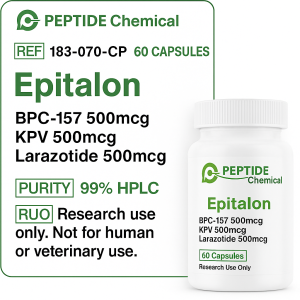
Epitalon 3mg (60 capsules) (Telomere Length)
Epithalon (Epitalon) has long been understood to help preserve telomeres, which are the protective end caps found on fragments of DNA (chromosomes). Telomeres protect DNA from degradation as it is replicated during cell division (one cell splitting into two). Telomeres themselves suffer degradation, however, and eventually become too short to be effective. At this point, a cell will either commit cell suicide in a process called apoptosis or it will go dormant in a process called senescence. Both processes lead to aging and eventual dysfunction and disease. Senescence is one of the primary drivers of disease and aging.
Epitalon has been shown to activate an enzyme called telomerase, which protects and repairs telomeres. More active telomerase means that cells age slower and remain functional longer. The net result is that overall aging appears to be slowed down. Research in rodents indicates that Epitalon may extend life by as much as 27% via this mechanism[2], [3].
Epitalon does not only activate telomerase. As noted above, Epitalon has been shown to affect expression for several genes through alteration of DNA structure. This process, called epigenetic modification, is of interest to scientists because it provides the foundation for controlling gene expression at a very fine level. Research is being conducted to learn how to harness epigenetic technology, which could potentially allow scientists to alter everything from an individual’s eye color to how intelligent a person is or how long someone lives.
Micro-encapsulated Epitalon has shown excellent orally bioavailability in lab research studies. 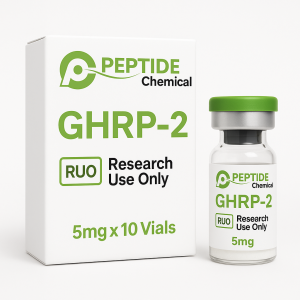
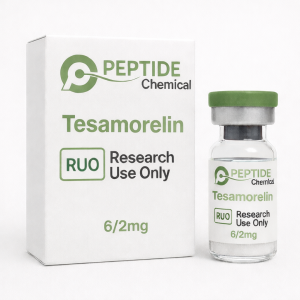
Tesamorelin, Ipamorelin 8mg (Blend)
The scientific community continues to explore new applications for Ipamorelin, particularly in regenerative biology, metabolic optimization, and long-term health research. As understanding of GH and IGF-1 pathways deepens, Ipamorelin remains a cornerstone tool for investigating the body’s natural growth and repair mechanisms.



Reviews
There are no reviews yet.