

SLU-PP-332 is an advanced small-molecule research compound gaining attention for its role in metabolic activation and energy utilization pathways. It is studied primarily for its ability to stimulate endurance, fat metabolism, and mitochondrial efficiency without direct reliance on physical exertion signals.
At the core of SLU-PP-332 research is its action on estrogen-related receptor alpha (ERRα), a key regulator of energy production and oxidative metabolism. ERRα plays a major role in how muscles, heart tissue, and mitochondria adapt to increased energy demand.
By activating ERRα pathways, SLU-PP-332 mimics some of the cellular adaptations typically associated with endurance exercise. This has led researchers to describe it as an “exercise mimetic,” as it supports energy metabolism even in the absence of intense physical activity.
One of the most notable aspects of SLU-PP-332 is its potential to enhance mitochondrial performance. Mitochondria are responsible for converting nutrients into usable energy, and optimizing their function is central to endurance, longevity, and metabolic health.
SLU-PP-332 is studied for its ability to encourage fatty acid oxidation. By increasing the body’s preference for fat as an energy source, it may support improved metabolic flexibility and reduced reliance on carbohydrate-heavy energy pathways.
This compound has generated interest within performance and longevity research due to its influence on skeletal muscle metabolism. Muscles with greater oxidative capacity are associated with improved endurance, strength retention, and metabolic efficiency.
Unlike stimulants that artificially elevate energy levels, SLU-PP-332 works at the genetic and cellular signaling level. This allows for sustained metabolic adaptation rather than short-term energy spikes or crashes.
SLU-PP-332 is often discussed in the context of endurance research. Improved oxygen utilization and enhanced mitochondrial density may support longer-lasting energy output and reduced fatigue accumulation.
In metabolic studies, the compound shows potential for supporting weight management by increasing baseline energy expenditure. When the body becomes more efficient at burning fuel, it may better regulate energy balance over time.
Another area of interest is SLU-PP-332’s effect on lipid metabolism. By supporting fat utilization, it may contribute to healthier lipid profiles and improved metabolic resilience.
SLU-PP-332 does not directly stimulate the central nervous system. This non-stimulant profile makes it appealing to individuals who seek metabolic enhancement without anxiety, jitteriness, or cardiovascular stress.
The compound’s influence on muscle fiber composition is also being explored. Research suggests it may support a shift toward oxidative muscle fibers, which are associated with endurance and long-duration activity.
In aging research, mitochondrial decline is a major contributor to reduced energy and muscle performance. SLU-PP-332 is studied for its potential role in preserving mitochondrial function as metabolic demands change with age.
SLU-PP-332’s role in cellular energy regulation makes it relevant not only for athletes but also for individuals interested in maintaining metabolic efficiency during calorie restriction or sedentary periods.
The compound is often examined alongside AMP-activated protein kinase (AMPK) signaling, another key regulator of cellular energy balance. Together, these pathways form the foundation of metabolic adaptation.
Because energy regulation affects nearly every organ system, SLU-PP-332’s activity may have whole-body implications. Tissues with high energy demands—such as muscles, heart, and brain—are of particular research interest.
SLU-PP-332 is frequently discussed within longevity frameworks because enhanced mitochondrial health is strongly associated with improved cellular resilience and reduced metabolic stress.
Researchers value SLU-PP-332 for its precise mechanism of action. Rather than broadly altering hormones, it targets transcriptional regulators that control long-term metabolic behavior.
Its sustained metabolic signaling supports gradual physiological adaptation rather than abrupt changes. This makes it suitable for extended research protocols focused on durability and consistency.
SLU-PP-332 is also explored for its interaction with exercise training. Some research investigates whether it can enhance or complement endurance adaptations when combined with physical activity.
In weight-related research models, increased fat oxidation and mitochondrial efficiency may support improved body composition without aggressive caloric restriction.
The compound’s ability to increase energy utilization at rest is particularly significant. Baseline metabolic efficiency plays a critical role in long-term metabolic stability.
SLU-PP-332 represents a shift toward metabolic intelligence rather than force-based interventions. By encouraging the body to use energy more effectively, it supports balanced physiological function.
Its mechanism avoids drastic appetite suppression or hormonal disruption, focusing instead on optimizing how energy is produced and consumed at the cellular level.
As interest in exercise mimetics grows, SLU-PP-332 stands out due to its specificity and well-defined metabolic target pathways.
The compound continues to be studied for its potential to support cardiovascular efficiency, as heart tissue relies heavily on oxidative metabolism for sustained function.
SLU-PP-332’s research profile aligns with modern wellness goals centered on efficiency, endurance, and cellular longevity rather than short-term performance enhancement.
Its ability to influence foundational metabolic pathways makes it relevant across fitness, metabolic health, and aging research domains.
SLU-PP-332 is increasingly recognized as a sophisticated tool for exploring how endurance, fat metabolism, and mitochondrial performance can be enhanced through targeted molecular signaling.
Ultimately, SLU-PP-332 represents a new class of metabolic research compounds focused on optimizing energy at its source. By supporting mitochondrial function, fat utilization, and endurance pathways, it offers a science-driven approach to performance, longevity, and metabolic resilience.
New
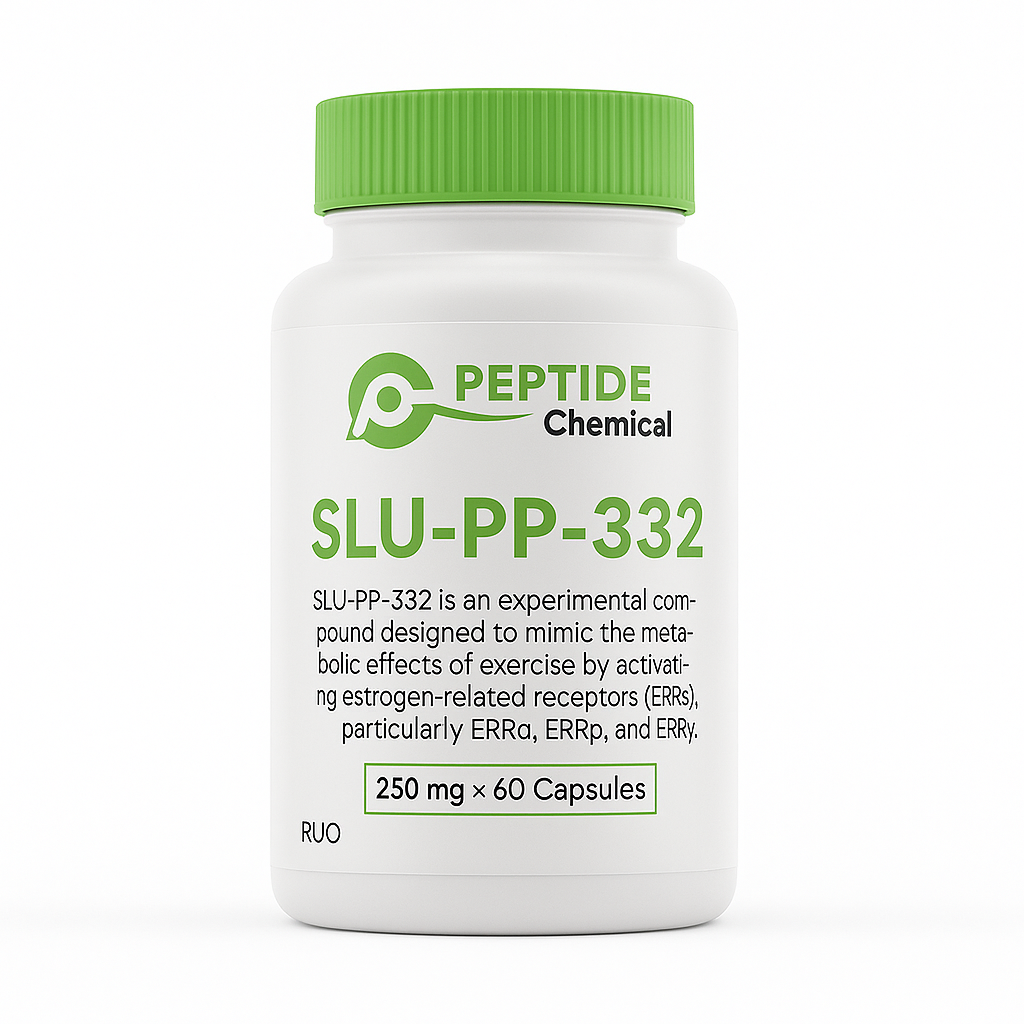
SLU-PP-332
$110.00
SLU-PP-332 (250mcg x 60 Capsules = 15,000mcg)
SLU-PP-332 (1000mcg x 30 Capsules = 30,000mcg)
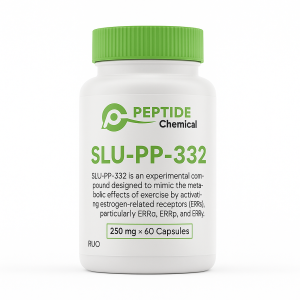
SLU-PP-332 is an experimental compound designed to mimic the metabolic effects of exercise by activating estrogen-related receptors (ERRs), particularly ERRα, ERRβ, and ERRγ. This activation leads to increased energy expenditure, enhanced fatty acid oxidation, and improved mitochondrial function.
Description
Shipping & Delivery
Related products
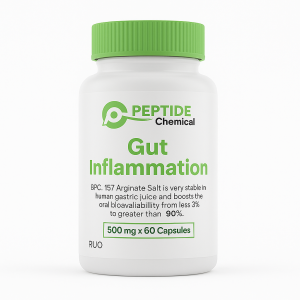
Gut Inflammation (60 Capsules) (Stable BPC-157 Arginate, KPV, Larazotide) FREE Shipping
BPC-157 Arginate Salt is very stable in human gastric juice and boosts the oral bioavailability from less than 3% to greater than 90%. BPC 157 arginate salt is also more stable in varied temperature environments and can resist the effects of UV light. Studies show that just 5% of BPC 157 arginate is degraded after 5 hours in gastric acid as compared to 98% of the acetate salt with oral administration. The enhanced oral bioavailability of the arginate salt makes it the preferred choice in BPC 157 oral research.
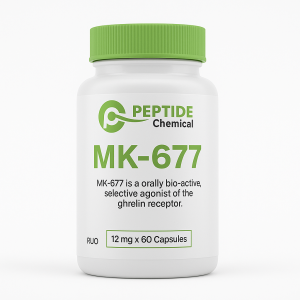
MK-677 (Ibutamoren) 12.5mg (60 Capsules)
MK-677, is a orally bio-active, selective agonist of the ghrelin receptor. Research shows that MK-677 increases the natural secretion of growth hormone (GH) and insulin-like growth factor 1 (IGF-1), but does not affect cortisol levels. It is being researched as a possible treatment for GH deficiency, muscle and bone wasting, appetite stimulation and Alzheimer's disease. MK-677 research in mice, appeared to prevent the onset of AD, even in genetically predisposed mice, as long as it was started before significant amyloid beta accumulation. MK-677 research has also shown exceptionally promising benefits in improving sleep quality.
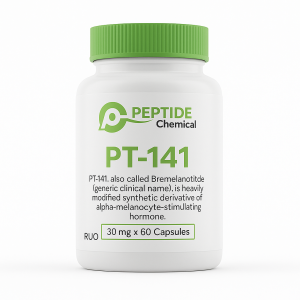
PT-141
PT-141, also called Bremelanotide (generic clinical name), is a heavily modified synthetic derivative of alpha-melanocyte-stimulating hormone. It has been tested in clinical trials as a treatment for both male/female hypoactive sexual desire disorder and acute hemorrhage. PT-141 is an agonist for the melanocortin-4 and melanocortin-1 receptors. Research shows that it promotes sexual arousal and stimulates the immune system.
PT-141 (3mg x 10 Vials = 30mg)
PT-141, also called Bremelanotide (generic clinical name), is a heavily modified synthetic derivative of alpha-melanocyte-stimulating hormone. It has been tested in clinical trials as a treatment for both male/female hypoactive sexual desire disorder and acute hemorrhage. PT-141 is an agonist for the melanocortin-4 and melanocortin-1 receptors. Research shows that it promotes sexual arousal and stimulates the immune system.



Reviews
There are no reviews yet.