

Semaglutide is a synthetic peptide compound widely utilized in metabolic and endocrine research for its targeted interaction with glucagon-like peptide-1 (GLP-1) receptors. It is designed to replicate key functions of naturally occurring GLP-1 hormones involved in appetite signaling and metabolic regulation.
What sets Semaglutide apart in research applications is its enhanced molecular stability. Structural modifications allow the peptide to resist rapid enzymatic degradation, resulting in prolonged receptor engagement and sustained biological signaling in controlled research models.
Semaglutide is primarily studied for its role in appetite modulation pathways. By influencing central satiety signaling mechanisms, it is commonly explored in research examining hunger regulation, caloric intake behavior, and energy balance dynamics.
In addition to central nervous system signaling, Semaglutide interacts with peripheral metabolic pathways. Researchers investigate its effects on digestive signaling, gastric motility, and nutrient processing as part of broader metabolic studies.
The compound’s long-acting profile makes it particularly suitable for extended research protocols. Rather than producing rapid or fluctuating responses, Semaglutide supports steady, predictable signaling over time, which is essential for longitudinal metabolic observation.
Semaglutide is frequently examined in glucose-related research due to its influence on insulin signaling and hepatic glucose regulation. Its activity supports investigations into metabolic stability and coordinated endocrine responses.
Unlike compounds that rely on nervous system stimulation, Semaglutide operates through hormone-mimetic mechanisms. This receptor-specific approach aligns closely with endogenous biological processes, making it valuable for physiologically relevant research models.
Researchers also study Semaglutide for its impact on food-related behavioral pathways. Reduced reward-driven eating signals and calmer appetite responses are areas of ongoing scientific interest.
Because metabolic health involves multiple overlapping systems, Semaglutide is often included in studies evaluating comprehensive metabolic regulation rather than isolated outcomes. Appetite, digestion, glucose handling, and energy utilization are all interconnected areas of focus.
The peptide’s consistent performance and well-characterized mechanism have contributed to its widespread adoption in research environments. Its reproducibility allows for reliable comparison across studies and protocols.
Semaglutide is commonly positioned as a reference compound in GLP-1–based research due to its advanced design and sustained activity profile. This makes it a benchmark for evaluating newer metabolic peptides.
As interest in peptide-based metabolic research continues to grow, Semaglutide remains a central compound due to its precision, stability, and relevance to modern endocrine science.
New
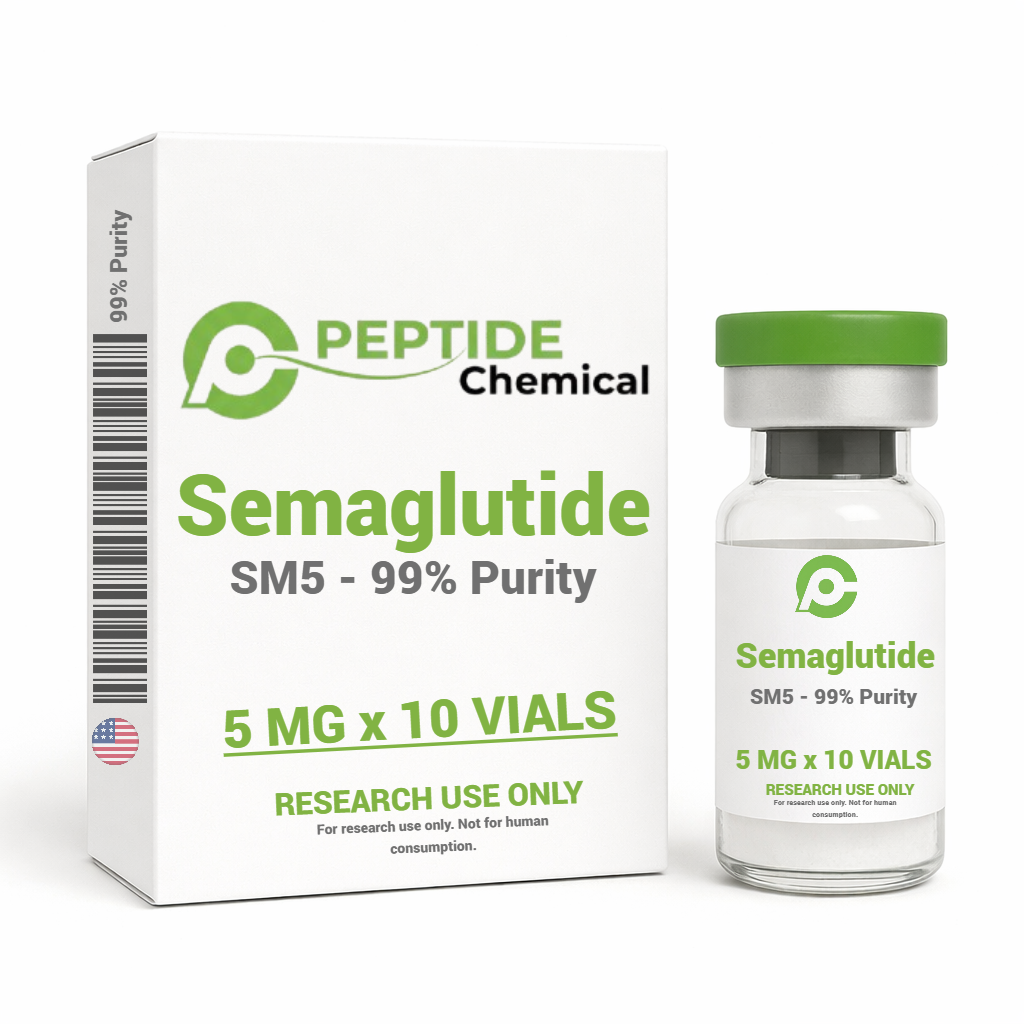
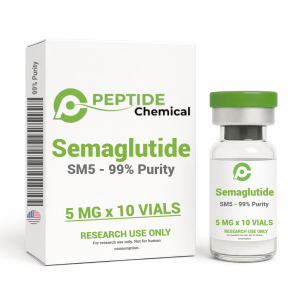
Semaglutide 5mg
$40.00
Semaglutide is a synthetic peptide compound widely utilized in metabolic and endocrine research for its targeted interaction with glucagon-like peptide-1 (GLP-1) receptors. It is designed to replicate key functions of naturally occurring GLP-1 hormones involved in appetite signaling and metabolic regulation.
Description
Shipping & Delivery
Related products
BPC-157, TB-500 (Blend)
 BPC-157 has undergone a great deal of research because its healing abilities extend well beyond the lining of the stomach. Studies in animal models indicate that BPC-157 can enhance angiogenesis, promote wound healing, stimulate collagen synthesis, modulate the inflammatory response, and protect against oxidative stress. The peptide has shown benefits in animal models with inflammatory bowel disease, GI ulcers, musculoskeletal injuries, heart damage, eye injuries and neurological damage. Research has shown that the oral bioavailability of BPC-157 is quite high.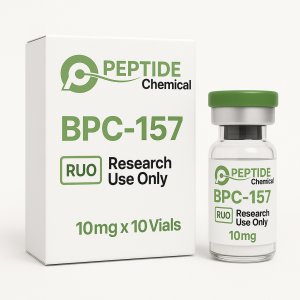
BPC-157, TB-500, GHK-Cu (Glow Blend)
BPC-157 has undergone a great deal of research because its healing abilities extend well beyond the lining of the stomach. Studies in animal models indicate that BPC-157 can enhance angiogenesis, promote wound healing, stimulate collagen synthesis, modulate the inflammatory response, and protect against oxidative stress. The peptide has shown benefits in animal models with inflammatory bowel disease, GI ulcers, musculoskeletal injuries, heart damage, eye injuries and neurological damage. Research has shown that the oral bioavailability of BPC-157 is quite high. BPC-157, TB-500, KPV, GHK-Cu 80mg (Klow Blend)
BPC-157 has undergone a great deal of research because its healing abilities extend well beyond the lining of the stomach. Studies in animal models indicate that BPC-157 can enhance angiogenesis, promote wound healing, stimulate collagen synthesis, modulate the inflammatory response, and protect against oxidative stress. The peptide has shown benefits in animal models with inflammatory bowel disease, GI ulcers, musculoskeletal injuries, heart damage, eye injuries and neurological damage. Research has shown that the oral bioavailability of BPC-157 is quite high. 
Dihexa (5mg x 60 Capsules = 300mg)
Dihexa is a small peptide-derived compound designed to support cognitive function and brain regeneration. It acts by activating the HGF/c-Met signaling pathway, which plays a critical role in forming new synaptic connections and enhancing neuroplasticity. Dihexa also mimics the action of brain-derived neurotrophic factor (BDNF), a key molecule involved in learning, memory, and neuronal survival. Preclinical research studies have shown that Dihexa can significantly improve memory consolidation and reverse cognitive deficits in models of Alzheimer’s disease, traumatic brain injury, and stroke. Unlike traditional nootropics or growth factors with poor blood–brain barrier penetration, Dihexa is orally bioavailable and metabolically stable, allowing for targeted CNS effects. Its unique mechanism positions it as a promising research compound for neurodegenerative conditions, offering potential in synaptic repair, inflammation reduction, and long-term cognitive enhancement. 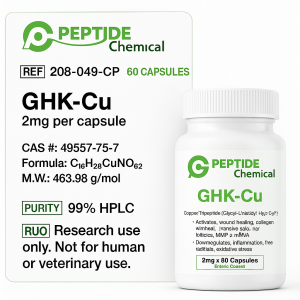
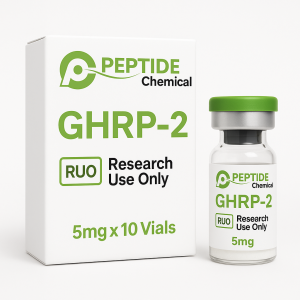
GHK-Cu (2mg x 60 Capsules) (Copper Tripeptide)
GHK-Cu is a small, naturally occurring peptide with the ability to attenuate inflammation, improve antioxidant responses, and improve gene expression on a large scale. Research shows that this copper-chelating peptide may be of critical importance both in the prevention of neurodegenerative disease and as a tool for exploring pathophysiological mechanisms. Studies in mice have revealed that GHK-Cu can protect against neurological insults, improve wound healing, reduce rates of infection, and boost blood vessel growth. The peptide has been of interest in recent years for its anti-oxidant properties that, in combination with its ability to alter gene expression patterns, appear to help slow or even reverse some aspects of aging.
Semaglutide 10
Semaglutide is a widely researched peptide-based compound recognized for its significant role in metabolic regulation and appetite control. It belongs to the class of GLP-1 receptor agonists, which are designed to mimic naturally occurring hormones involved in glucose metabolism and satiety signaling.



Reviews
There are no reviews yet.