

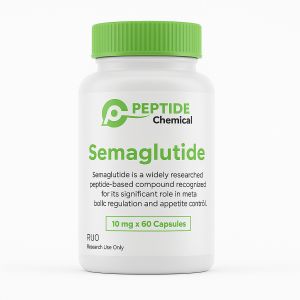
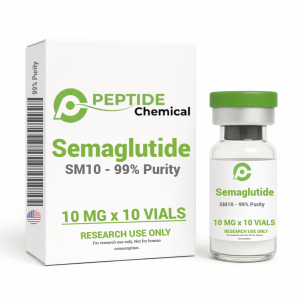
Semaglutide is a widely researched peptide-based compound recognized for its significant role in metabolic regulation and appetite control. It belongs to the class of GLP-1 receptor agonists, which are designed to mimic naturally occurring hormones involved in glucose metabolism and satiety signaling.
At its core, Semaglutide works by supporting the body’s natural ability to regulate hunger and energy intake. By interacting with GLP-1 receptors in the brain, it helps enhance feelings of fullness and reduce appetite, creating a more controlled and balanced relationship with food.
One of the most notable characteristics of Semaglutide is its prolonged activity. Unlike short-acting compounds, it is designed to remain active in the body for an extended period, allowing for steady and consistent signaling related to appetite and metabolic function.
Semaglutide is extensively studied for its effects on appetite regulation. It helps reduce hunger signals while increasing satiety after meals, which may support portion control and decreased caloric intake without relying on stimulants or aggressive suppression.
In metabolic research, Semaglutide is also examined for its influence on glucose regulation. By supporting insulin signaling and reducing excessive glucose release, it plays a role in maintaining balanced blood sugar dynamics within the body.
The peptide’s ability to slow gastric emptying is another key feature. By delaying how quickly food leaves the stomach, Semaglutide helps prolong the sensation of fullness, supporting longer-lasting meal satisfaction and reduced snacking behavior.
Semaglutide’s impact extends beyond appetite alone. Hunger, metabolism, and energy balance are deeply interconnected systems, and this compound is valued for addressing these processes at multiple physiological levels.
Research into Semaglutide has highlighted its ability to reduce food-related noise. Many individuals describe fewer intrusive thoughts about eating and a calmer approach to meals, which can contribute to more mindful dietary habits.
Unlike stimulant-based weight-management approaches, Semaglutide does not rely on nervous system excitation. Instead, it works through hormonal and neurological pathways that naturally govern hunger and satiety.
Semaglutide is often explored as part of structured lifestyle and nutritional programs. By stabilizing appetite, it may help individuals remain consistent with dietary goals and long-term wellness strategies.
Its role in energy balance makes Semaglutide particularly relevant in modern metabolic research. Stable appetite signaling often correlates with improved daily energy levels and reduced fluctuations associated with overeating or irregular meals.
The compound also supports the brain’s perception of meal completion. This signaling is essential for preventing habitual overeating and allowing the body to recognize when sufficient nourishment has been consumed.
Semaglutide’s prolonged action supports smoother metabolic rhythm throughout the day. Rather than sharp peaks and drops in hunger, it promotes a more predictable and manageable pattern of appetite.
Because of its targeted mechanism, Semaglutide is studied for its ability to encourage sustainable behavior changes. Reduced hunger pressure allows individuals to make intentional food choices rather than reactive ones.
In ongoing research, Semaglutide is frequently compared to earlier metabolic compounds due to its enhanced receptor affinity and longer duration of action, making it a benchmark in GLP-1–based studies.
Its influence on appetite may also support improved emotional well-being. When hunger and food cravings are less dominant, individuals often experience greater mental clarity and reduced stress around eating.
Semaglutide is commonly discussed in the context of long-term metabolic health rather than short-term intervention. Appetite regulation is a foundational component of metabolic stability, making this compound particularly valuable in extended research timelines.
The peptide’s systemic activity affects both central and peripheral pathways involved in digestion and energy utilization, offering a comprehensive approach to metabolic regulation.
Semaglutide’s structured signaling helps reinforce natural eating cues rather than forcing suppression. This alignment with biological processes supports a more intuitive and sustainable approach to wellness.
Researchers continue to examine Semaglutide’s role in improving adherence to lifestyle modifications. By reducing the physiological barriers caused by excessive hunger, it may support better consistency over time.
The compound’s well-defined mechanism and extensive research background have contributed to its strong scientific credibility within metabolic and endocrine research communities.
Semaglutide is also studied for its potential to support healthier eating patterns. Smaller meals may feel more satisfying, reducing the likelihood of overeating or unplanned snacking.
Because metabolism involves complex feedback loops, Semaglutide’s influence on satiety, glucose handling, and gastric motility positions it as a multi-dimensional metabolic regulator.
Its non-stimulant profile makes it suitable for individuals sensitive to traditional appetite suppressants. The absence of jitteriness or forced energy changes contributes to smoother daily functioning.
Semaglutide is often incorporated into research discussions focused on long-term weight management rather than rapid outcomes. Sustainable appetite control is considered a key factor in maintaining results.
The compound continues to be studied for how it supports metabolic efficiency during periods of caloric adjustment, helping the body adapt without excessive hunger distress.
As interest in peptide-based wellness solutions grows, Semaglutide stands out for its robust research foundation and biologically aligned mechanism of action.
Its role in modern metabolic science reflects a broader shift toward hormone-based regulation rather than external force-based interventions.
Semaglutide represents a significant advancement in understanding how appetite, energy balance, and metabolism can be supported through targeted signaling pathways.
By helping regulate hunger, enhance satiety, and stabilize metabolic processes, Semaglutide contributes to a more controlled, mindful, and sustainable approach to metabolic wellness.
HotNew
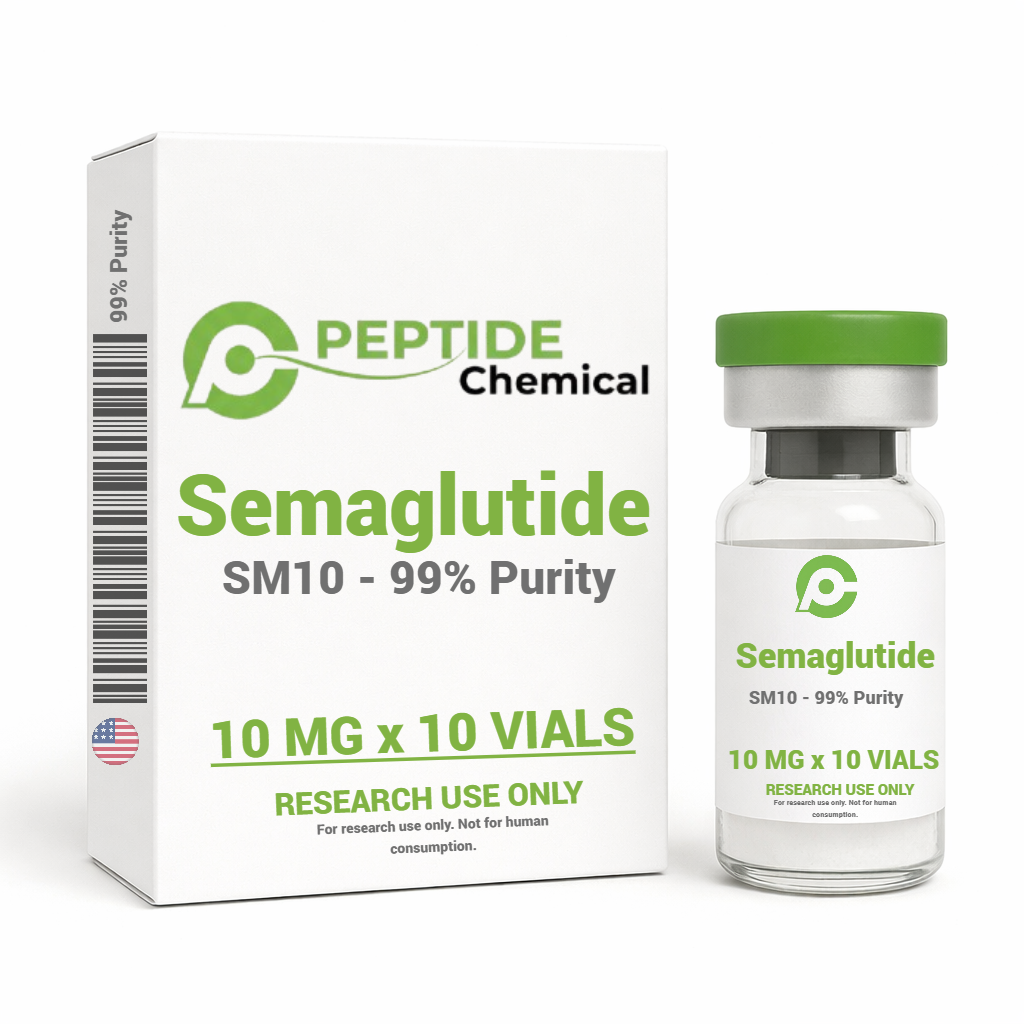
Semaglutide 10
$255.00
Semaglutide is a widely researched peptide-based compound recognized for its significant role in metabolic regulation and appetite control. It belongs to the class of GLP-1 receptor agonists, which are designed to mimic naturally occurring hormones involved in glucose metabolism and satiety signaling.
Description
Shipping & Delivery
Related products
AOD9604 6mg
AOD9604 is a modified version of the hGH fragment 176-191 peptide (contains a di-sulfide bridge) and thus a derivative of human growth hormone (hGH). Originally developed as a lipolytic (fat burning) compound, AOD9604 has shown benefit in studies of heart disease, osteoarthritis/cartilage repair, and metabolic syndrome. AOD9604 stimulates lipolysis (the breakdown or destruction of fat) and inhibits lipogenesis in animal studies.
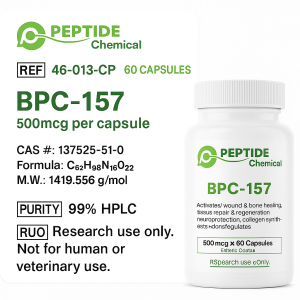
BPC 157 500mcg (60 Capsules)
 BPC-157 has undergone a great deal of research because its healing abilities extend well beyond the lining of the stomach. Studies in animal models indicate that BPC-157 can enhance angiogenesis, promote wound healing, stimulate collagen synthesis, modulate the inflammatory response, and protect against oxidative stress. The peptide has shown benefits in animal models with inflammatory bowel disease, GI ulcers, musculoskeletal injuries, heart damage, eye injuries and neurological damage. Research has shown that the oral bioavailability of BPC-157 is quite high.
 BPC-157 10mg
BPC-157 has undergone a great deal of research because its healing abilities extend well beyond the lining of the stomach. Studies in animal models indicate that BPC-157 can enhance angiogenesis, promote wound healing, stimulate collagen synthesis, modulate the inflammatory response, and protect against oxidative stress. The peptide has shown benefits in animal models with inflammatory bowel disease, GI ulcers, musculoskeletal injuries, heart damage, eye injuries and neurological damage. Research has shown that the oral bioavailability of BPC-157 is quite high. BPC-157 10mg
BPC-157 has undergone a great deal of research because its healing abilities extend well beyond the lining of the stomach. Studies in animal models indicate that BPC-157 can enhance angiogenesis, promote wound healing, stimulate collagen synthesis, modulate the inflammatory response, and protect against oxidative stress. The peptide has shown benefits in animal models with inflammatory bowel disease, GI ulcers, musculoskeletal injuries, heart damage, eye injuries and neurological damage. Research has shown that the oral bioavailability of BPC-157 is quite high. BPC-157 5mg
BPC-157 has undergone a great deal of research because its healing abilities extend well beyond the lining of the stomach. Studies in animal models indicate that BPC-157 can enhance angiogenesis, promote wound healing, stimulate collagen synthesis, modulate the inflammatory response, and protect against oxidative stress. The peptide has shown benefits in animal models with inflammatory bowel disease, GI ulcers, musculoskeletal injuries, heart damage, eye injuries and neurological damage. Research has shown that the oral bioavailability of BPC-157 is quite high. BPC-157, TB-500, KPV, GHK-Cu 80mg (Klow Blend)
BPC-157 has undergone a great deal of research because its healing abilities extend well beyond the lining of the stomach. Studies in animal models indicate that BPC-157 can enhance angiogenesis, promote wound healing, stimulate collagen synthesis, modulate the inflammatory response, and protect against oxidative stress. The peptide has shown benefits in animal models with inflammatory bowel disease, GI ulcers, musculoskeletal injuries, heart damage, eye injuries and neurological damage. Research has shown that the oral bioavailability of BPC-157 is quite high. 



Reviews
There are no reviews yet.