

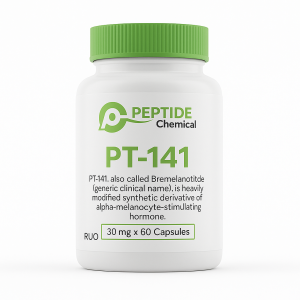
NAD+ (Nicotinamide Adenine Dinucleotide) is a vital coenzyme found in every living cell, playing a central role in energy metabolism, cellular repair, and biological signaling. It exists in two main forms, NAD+ and NADH, which work together as electron carriers essential to producing ATP, the universal energy currency of the body. Because of its fundamental role in mitochondrial activity, NAD+ is considered one of the most influential molecules in cellular vitality and metabolic endurance.
At the core of its function, NAD+ participates in redox reactions, accepting and donating electrons to keep metabolic pathways running. When the body converts nutrients into energy, NAD+ facilitates the transfer of electrons in glycolysis, the TCA cycle, and oxidative phosphorylation. Without adequate NAD+, cells cannot efficiently generate ATP, and energy production slows dramatically.
Beyond energy metabolism, NAD+ acts as a substrate for several critical enzymes involved in DNA repair, gene regulation, and cellular stress responses. Sirtuins, PARPs, and CD38 all depend directly on NAD+ to perform their biological functions. As these enzymes consume NAD+ during their activity, cellular NAD+ levels must be continuously replenished to maintain proper function.
Research on aging consistently highlights declining NAD+ levels as a hallmark of metabolic deterioration. Measurements show that NAD+ concentrations drop significantly with age, reducing mitochondrial efficiency and impairing cellular resilience. This decline is associated with increased oxidative stress, slower DNA repair, and reduced metabolic flexibility, making NAD+ restoration an important target in longevity studies.
One of the most studied pathways influenced by NAD+ is sirtuin activation. Sirtuins regulate longevity pathways, mitochondrial biogenesis, and metabolic adaptation. When NAD+ levels fall, sirtuin activity decreases, which disrupts cellular homeostasis. Raising NAD+ levels has been shown in models to restore sirtuin signaling and enhance mitochondrial performance.
NAD+ is also fundamental for DNA repair through PARP enzymes. Whenever DNA damage occurs—which happens thousands of times per day—PARPs consume NAD+ to initiate repair. Excessive damage or chronic inflammation can deplete NAD+ reserves, leading to impaired genome stability. Maintaining adequate NAD+ supports the continuous operation of these protective mechanisms.
In immune system research, NAD+ has been shown to influence inflammatory signaling and immune cell metabolism. Immune cells require large amounts of energy to operate, and adequate NAD+ levels help regulate their activation, survival, and recovery. Low NAD+ is linked to increased chronic inflammation and weakened immune response in experimental models.
NAD+ also plays an essential role in circadian rhythm regulation. The body’s internal clock interacts with sirtuins and metabolic enzymes that depend on NAD+. Daily fluctuations in NAD+ contribute to synchronizing cellular activities with the 24-hour cycle. Supporting NAD+ levels may help maintain healthy sleep-wake cycles and metabolic timing.
Metabolic disorders, including insulin resistance and obesity, have been associated with disrupted NAD+ pathways. Because NAD+ is deeply involved in glucose utilization and lipid oxidation, diminished levels can impair how cells process carbohydrates and fats. Restoration of NAD+ in animal models has shown improved insulin sensitivity and enhanced metabolic efficiency.
In neurological research, NAD+ is recognized for its role in neuronal energy production and protection against oxidative stress. Neurons have extremely high metabolic demands and rely heavily on mitochondria. Declines in NAD+ reduce neuronal resilience, contributing to cognitive decline and neurodegenerative processes in aging models.
Mitochondrial dysfunction is one of the earliest signs of cellular aging, and NAD+ availability is a primary regulator of mitochondrial health. Studies indicate that supporting NAD+ can enhance mitochondrial turnover, promote biogenesis, and improve ATP output. These effects are especially relevant for tissues with high metabolic rates such as the brain, heart, and skeletal muscle.
Oxidative stress, another factor in aging and disease, is closely linked to NAD+ biology. Adequate NAD+ helps maintain the balance between oxidative molecules and antioxidant systems. When NAD+ levels fall, the cell becomes less able to neutralize free radicals, leading to accelerated damage.
NAD+ is also involved in calcium signaling within cells, particularly through CD38, an enzyme that consumes NAD+ while regulating calcium mobilization. Calcium signals are essential for muscle contraction, neurotransmission, and hormonal release. Imbalances in CD38 activity can dramatically reduce NAD+ availability.
Researchers have studied NAD+ in connection with metabolic stress, including fasting and exercise. Both activities naturally raise NAD+ levels by increasing demand for mitochondrial energy pathways. This metabolic shift activates longevity-associated genes, suggesting that NAD+ may mediate many of the known benefits of exercise and caloric restriction.
In cardiovascular studies, NAD+ supports endothelial function, vascular tone, and heart muscle metabolism. Low NAD+ availability is linked with impaired blood vessel responsiveness, mitochondrial weakness in cardiac tissue, and inflammation-driven arterial damage. Increasing NAD+ may improve several markers of cardiovascular resilience.
In liver research, NAD+ influences detoxification pathways, lipid processing, and metabolic turnover. Because the liver is a central hub for nutrient metabolism, adequate NAD+ is crucial for maintaining glucose balance and lipid homeostasis.
Skeletal muscle performance is also influenced by NAD+ levels. Muscle cells require large amounts of ATP, especially during intense activity. Studies show that supporting NAD+ availability improves muscle endurance, recovery, and mitochondrial density in performance models.
NAD+ plays a role in cell survival under stress by activating protective genes such as FOXO and pathways associated with autophagy. These processes help remove damaged cellular components and promote regeneration, contributing to overall cellular health and longevity.
In dermatological research, NAD+ has been linked to skin repair, barrier function, and collagen regeneration. Because skin cells face continuous environmental stress and rapid turnover, NAD+ availability is essential for maintaining youthful and resilient tissue.
Cancer biology has explored NAD+ from multiple perspectives. Some cancer cells rely heavily on NAD+ for rapid proliferation, while declining NAD+ in healthy cells increases genomic vulnerability. Understanding how NAD+ influences different tissue types helps guide targeted therapeutic strategies.
The intestine and gut microbiome are also influenced by NAD+ pathways. Gut cells undergo rapid regeneration, requiring high energy and consistent DNA repair. NAD+ supports this turnover, while certain microbial metabolites even contribute to NAD+ biosynthesis.
In models of chronic fatigue, muscle weakness, and metabolic burnout, low NAD+ correlates with poor mitochondrial function and reduced ATP reserves. Supporting NAD+ levels has been shown to increase cellular energy availability, which may help explain its growing interest in wellness and recovery research.
The decline of NAD+ with aging is partly due to increased activity of CD38, a major NAD-consuming enzyme that becomes more active with inflammation. Excessive CD38 breaks down NAD+ faster than the body can replenish it, accelerating metabolic aging.
Restoring NAD+ levels has become a major focus of longevity science, not because it reverses aging directly but because it supports repair pathways that naturally slow down over time. Enhancing NAD+ may help maintain biological function and resilience as cells accumulate stress.
NAD+ is synthesized in the body from multiple precursors through the salvage and de novo pathways. These include niacin, nicotinamide, and tryptophan-derived metabolites. Efficient NAD+ recycling is essential for sustaining metabolic and repair functions.
In red blood cells, NAD+ is necessary for maintaining membrane integrity and protecting against oxidative injury. Although red blood cells lack mitochondria, they rely on NAD+ to keep metabolic enzymes functioning and to defend against stress.
The molecule also participates in epigenetic regulation. Sirtuin-driven deacetylation affects gene expression patterns related to metabolism, stress resistance, and longevity. NAD+ availability directly shapes these epigenetic outcomes.
In hormonal research, NAD+ indirectly affects several endocrine pathways by modulating metabolic signals and stress responses. Healthy NAD+ levels help maintain balance between anabolic and catabolic states.
Across the body, NAD+ should be viewed as an essential currency of cellular life. It enables energy production, genetic stability, stress resistance, and metabolic control. Declines in NAD+ contribute to nearly every aspect of biological aging, and restoration of NAD+ pathways continues to be one of the most promising areas in advanced longevity science.
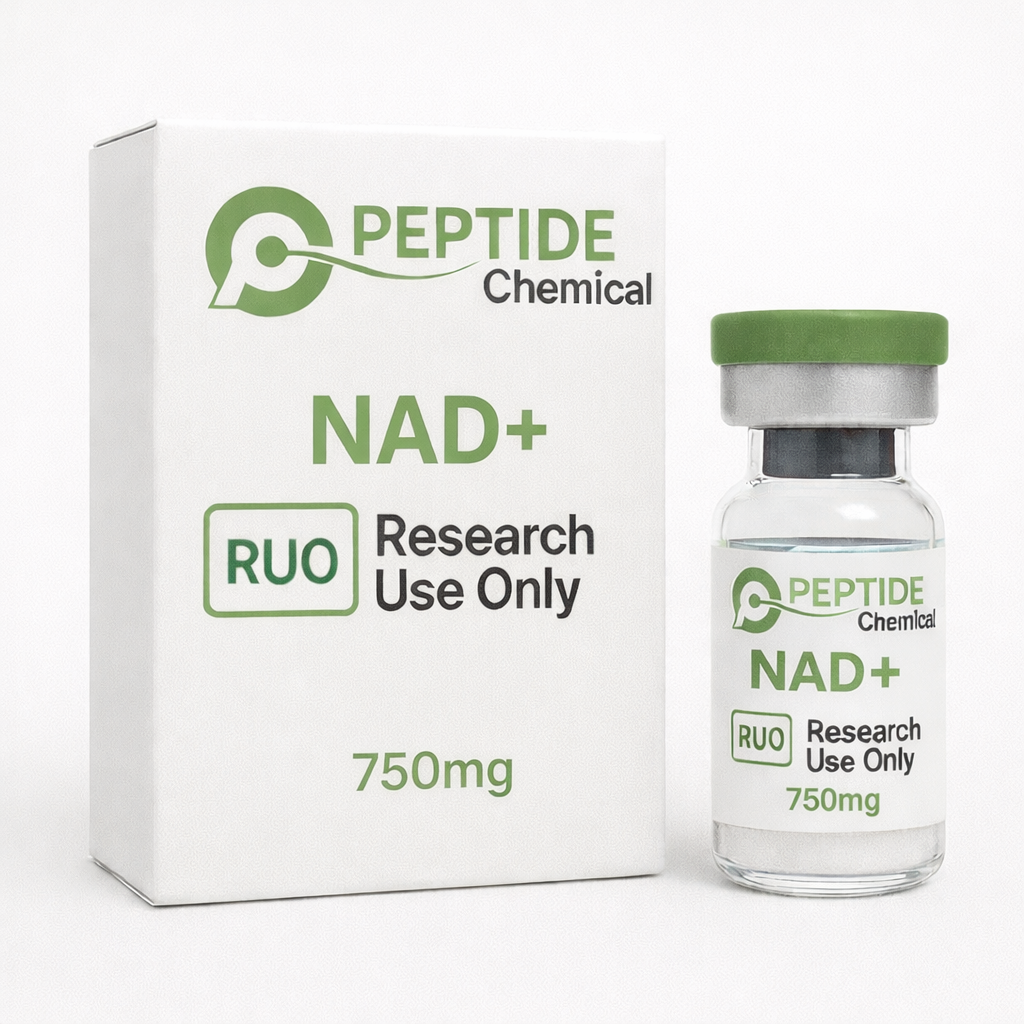
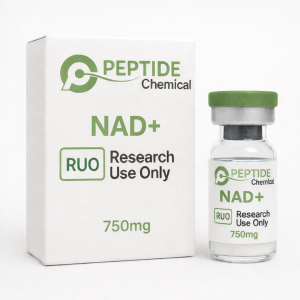
NAD+
$300.00
NAD+ (nicotinamide adenine dinucleotide) is a vital coenzyme in all living cells, essential for metabolic processes and cellular function. It acts as a mediator of redox reactions, alternating between its oxidized (NAD+) and reduced (NADH) forms to facilitate electron transfer, crucial for energy production and sustaining life. Involved in over 500 enzymatic reactions, NAD+ is central to maintaining cellular homeostasis. Research shows that NAD+ may be beneficial in improving muscle function, protecting cells of the nervous system, and generally reducing the effects of aging.
Beyond energy metabolism, NAD+ supports DNA repair and gene regulation through enzymes like sirtuins and PARPs. Sirtuins use NAD+ to regulate cellular functions such as DNA repair, gene expression, and aging, while PARPs utilize it to repair DNA damage and maintain genomic stability. These roles underscore NAD+’s importance in cellular integrity and combating aging.
Related products
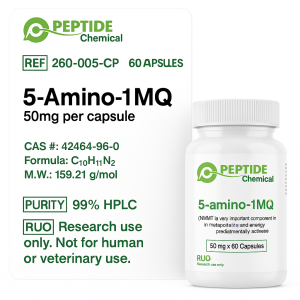
5-Amino-1MQ 50mg (60 Capsules)
 5-amino-1MQ is a small molecule that blocks the activity of the enzyme called nicotinamide N-methyltransferase (NNMT). NNMT is a very important component in metabolism and energy and is predominantly active in fat tissue. By blocking NNMT, 5-amino-1MQ stimulates an increase in nicotinamide adenine dinucleotide (NAD+), a cofactor that is central to cellular metabolism, thereby increasing metabolic rate and activating a gene called sirtuin-1 (SIRT1).
SIRT1 is also known as the "longevity gene" because of its role in reducing the risk of diabetes, obesity, metabolic syndrome, atherosclerosis and other forms of cardiovascular disease, kidney disease, liver disease, neurodegeneration, and cancer. Research in mice given 5-amino-1MQ showed a 7% reduction in body mass over 10 days without any changes in food intake, compared to controls. Research has shown that decreasing NNMT may help shrink fat cells and reduce the size of fat deposits.
5-amino-1MQ is a small molecule that blocks the activity of the enzyme called nicotinamide N-methyltransferase (NNMT). NNMT is a very important component in metabolism and energy and is predominantly active in fat tissue. By blocking NNMT, 5-amino-1MQ stimulates an increase in nicotinamide adenine dinucleotide (NAD+), a cofactor that is central to cellular metabolism, thereby increasing metabolic rate and activating a gene called sirtuin-1 (SIRT1).
SIRT1 is also known as the "longevity gene" because of its role in reducing the risk of diabetes, obesity, metabolic syndrome, atherosclerosis and other forms of cardiovascular disease, kidney disease, liver disease, neurodegeneration, and cancer. Research in mice given 5-amino-1MQ showed a 7% reduction in body mass over 10 days without any changes in food intake, compared to controls. Research has shown that decreasing NNMT may help shrink fat cells and reduce the size of fat deposits. 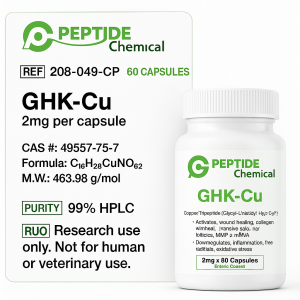
GHK-Cu (2mg x 60 Capsules) (Copper Tripeptide)



Reviews
There are no reviews yet.