

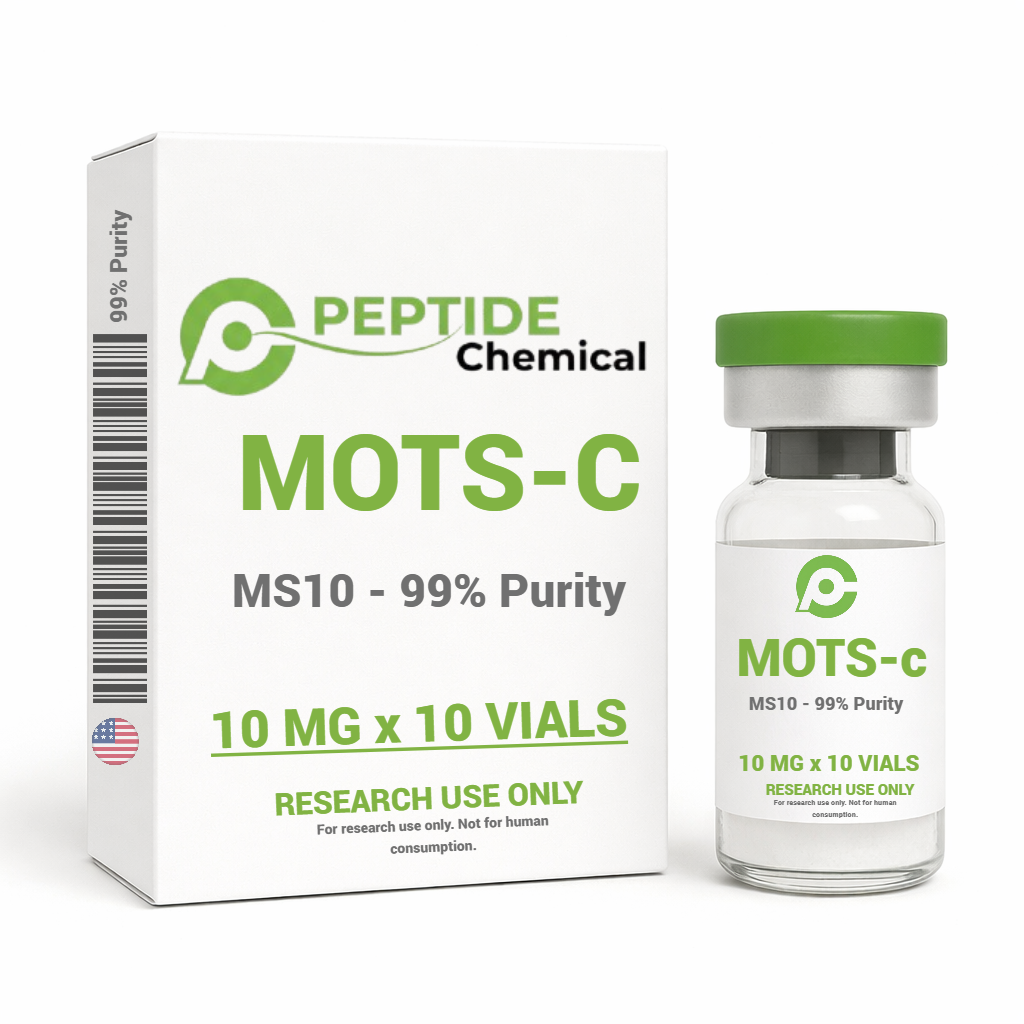
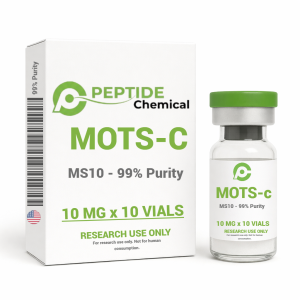
MOTS-c (Mitochondrial Open Reading Frame of the 12S rRNA-c)
MOTS-c is a naturally occurring mitochondrial-derived peptide that has attracted attention in cellular and metabolic research. It is encoded within the mitochondrial 12S rRNA region and is studied for its influence on intracellular signaling and energy regulation pathways.
In laboratory research, MOTS-c is valued for its role in modulating metabolic signaling networks. It interacts with pathways involved in cellular energy balance, mitochondrial function, and adaptive metabolic responses, making it relevant in studies of mitochondrial biology and cellular efficiency.
One of the defining characteristics of MOTS-c is its mitochondrial origin. This unique derivation provides researchers with a model to study cross-talk between mitochondrial signals and nuclear gene expression in controlled experimental systems.
MOTS-c is frequently included in studies examining cellular stress response and energy regulation. Researchers explore how its signaling influences molecular pathways responsible for energy utilization and metabolic adaptation under varying experimental conditions.
The peptide is also studied for its impact on intracellular signaling cascades associated with protein synthesis, oxidative balance, and metabolic homeostasis. Its ability to integrate mitochondrial function with broader cellular processes makes it a versatile research tool.
MOTS-c’s compact structure supports stability and predictable behavior in laboratory environments. This consistency allows for reproducible experimental outcomes and makes it suitable for comparative peptide signaling studies.
Researchers often include MOTS-c in studies of tissue-specific metabolism to investigate how mitochondrial-derived peptides coordinate systemic cellular responses.
Unlike compounds that act through receptor stimulation alone, MOTS-c operates through intracellular signaling pathways, providing insight into mitochondria–nuclear communication and the regulation of cellular energy balance.
The peptide is also of interest in studies exploring cellular adaptation to environmental stressors. Its signaling influence supports research into how cells adjust to metabolic demands and maintain homeostasis.
Because mitochondrial peptides intersect multiple cellular systems, MOTS-c is often used in systems-based research rather than isolated pathway studies, allowing for broader understanding of intracellular communication networks.
MOTS-c’s predictable molecular profile and well-characterized signaling mechanisms make it a valuable research tool in mitochondrial biology and metabolic peptide science.
As research into mitochondrial signaling and peptide-based cellular regulation grows, MOTS-c remains a cornerstone compound for exploring how mitochondria communicate with nuclear pathways to influence overall cellular function.
Its unique origin, stability, and signaling relevance make MOTS-c an important tool for scientists investigating integrated cellular energy regulation.
Related products
AOD9604 6mg
AOD9604 is a modified version of the hGH fragment 176-191 peptide (contains a di-sulfide bridge) and thus a derivative of human growth hormone (hGH). Originally developed as a lipolytic (fat burning) compound, AOD9604 has shown benefit in studies of heart disease, osteoarthritis/cartilage repair, and metabolic syndrome. AOD9604 stimulates lipolysis (the breakdown or destruction of fat) and inhibits lipogenesis in animal studies.
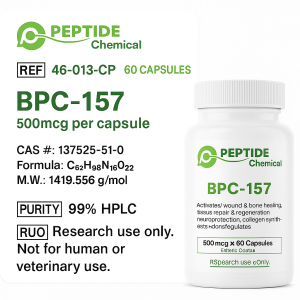
BPC 157 500mcg (60 Capsules)
 BPC-157 has undergone a great deal of research because its healing abilities extend well beyond the lining of the stomach. Studies in animal models indicate that BPC-157 can enhance angiogenesis, promote wound healing, stimulate collagen synthesis, modulate the inflammatory response, and protect against oxidative stress. The peptide has shown benefits in animal models with inflammatory bowel disease, GI ulcers, musculoskeletal injuries, heart damage, eye injuries and neurological damage. Research has shown that the oral bioavailability of BPC-157 is quite high.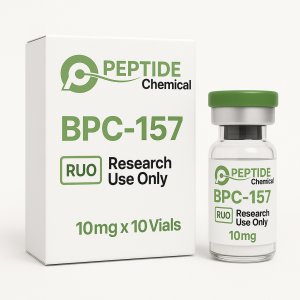
BPC-157 15mg
BPC-157 has undergone a great deal of research because its healing abilities extend well beyond the lining of the stomach. Studies in animal models indicate that BPC-157 can enhance angiogenesis, promote wound healing, stimulate collagen synthesis, modulate the inflammatory response, and protect against oxidative stress. The peptide has shown benefits in animal models with inflammatory bowel disease, GI ulcers, musculoskeletal injuries, heart damage, eye injuries and neurological damage. Research has shown that the oral bioavailability of BPC-157 is quite high. BPC-157 5mg
BPC-157 has undergone a great deal of research because its healing abilities extend well beyond the lining of the stomach. Studies in animal models indicate that BPC-157 can enhance angiogenesis, promote wound healing, stimulate collagen synthesis, modulate the inflammatory response, and protect against oxidative stress. The peptide has shown benefits in animal models with inflammatory bowel disease, GI ulcers, musculoskeletal injuries, heart damage, eye injuries and neurological damage. Research has shown that the oral bioavailability of BPC-157 is quite high. 
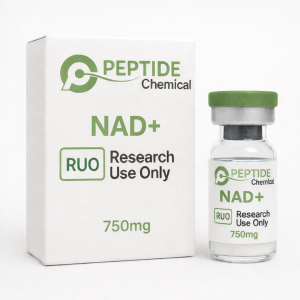
NAD+
NAD+ (nicotinamide adenine dinucleotide) is a vital coenzyme in all living cells, essential for metabolic processes and cellular function. It acts as a mediator of redox reactions, alternating between its oxidized (NAD+) and reduced (NADH) forms to facilitate electron transfer, crucial for energy production and sustaining life. Involved in over 500 enzymatic reactions, NAD+ is central to maintaining cellular homeostasis. Research shows that NAD+ may be beneficial in improving muscle function, protecting cells of the nervous system, and generally reducing the effects of aging.
Beyond energy metabolism, NAD+ supports DNA repair and gene regulation through enzymes like sirtuins and PARPs. Sirtuins use NAD+ to regulate cellular functions such as DNA repair, gene expression, and aging, while PARPs utilize it to repair DNA damage and maintain genomic stability. These roles underscore NAD+'s importance in cellular integrity and combating aging.
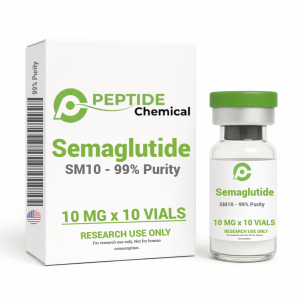
Semaglutide 10
Semaglutide is a widely researched peptide-based compound recognized for its significant role in metabolic regulation and appetite control. It belongs to the class of GLP-1 receptor agonists, which are designed to mimic naturally occurring hormones involved in glucose metabolism and satiety signaling.



Reviews
There are no reviews yet.