

Methylene is a unique and historically significant compound that has gained renewed interest in modern wellness and longevity research due to its wide-ranging biological activity. Known for its cellular-supportive properties, Methylene has been studied for decades and continues to attract attention for its role in energy production, cognitive clarity, and metabolic resilience.
At the cellular level, Methylene is recognized for its ability to interact with mitochondria, the energy-producing centers of the cell. By supporting efficient electron transport, it helps optimize cellular energy generation, which is fundamental to overall vitality, focus, and physical performance.
One of the most intriguing aspects of Methylene research is its relationship with mitochondrial efficiency. Healthy mitochondria are essential for sustained energy, cognitive sharpness, and healthy aging. Methylene supports these processes by helping cells produce energy more reliably and with less oxidative stress.
Methylene has also been explored for its potential role in cognitive performance and mental clarity. By supporting cellular respiration in neurons, it may help promote sharper focus, improved memory, and sustained mental stamina, particularly during periods of high cognitive demand.
This compound has drawn attention in longevity-focused research due to its ability to support cellular resilience. As cells age, their energy systems become less efficient, and Methylene is studied for its potential to counteract this decline by reinforcing foundational metabolic processes.
Another notable feature of Methylene is its antioxidant-supportive behavior at low, controlled levels. Rather than acting as a traditional antioxidant, it supports the body’s internal redox balance, helping cells manage oxidative stress more effectively.
Methylene’s versatility has made it a compound of interest across multiple research domains, including metabolic health, neurological performance, and age-related cellular decline. Its broad activity profile distinguishes it from compounds that target only one isolated system.
In studies involving cognitive stress and mental fatigue, Methylene has been associated with improved alertness and smoother cognitive endurance. This has made it of interest to individuals exploring tools for productivity, focus, and mental longevity.
Methylene is also being explored for its role in supporting cellular recycling and efficiency. By helping cells maintain cleaner energy processes, it contributes to a healthier internal environment that may support long-term cellular functionality.
The compound’s interaction with nitric oxide pathways has also been studied in relation to circulation and oxygen utilization. Efficient oxygen delivery is essential for both physical and cognitive performance, making this aspect of Methylene research particularly compelling.
In metabolic research, Methylene is examined for its role in supporting balanced energy utilization. Stable cellular energy production often translates into improved stamina, fewer energy crashes, and greater overall endurance throughout the day.
Methylene’s long history of scientific interest has contributed to a well-characterized profile that continues to evolve with modern research tools. This deep research background adds credibility and fascination to its current resurgence.
Another area of interest is Methylene’s potential influence on mood and mental well-being. Because energy production and neurotransmitter systems are closely linked, supporting cellular energy may indirectly promote emotional balance and mental clarity.
Methylene is appreciated for its non-stimulant nature. Unlike caffeine or other stimulants that push the nervous system, it works by improving efficiency at the cellular level, offering smoother, more sustainable energy without jitteriness.
Researchers also explore Methylene in the context of cellular signaling and protection. By supporting orderly metabolic processes, it helps reduce cellular “noise” that can accumulate with stress, aging, or poor lifestyle habits.
In aging research, Methylene is being examined for its potential to support healthier brain aging. Neurons rely heavily on mitochondrial energy, and compounds that support mitochondrial efficiency are of particular interest in neuro-longevity science.
Methylene’s systemic activity allows it to influence multiple tissues at once, including the brain, muscles, and organs with high energy demands. This whole-body reach contributes to its reputation as a foundational cellular-support compound.
Many individuals interested in bio-optimization value Methylene for its fast-acting yet subtle effects. Rather than dramatic sensations, users often describe increased clarity, steadier energy, and improved mental flow.
The compound’s ability to support cellular oxygen utilization has also drawn attention in endurance and performance research. Efficient oxygen use supports better output with less fatigue accumulation.
Methylene is often discussed in relation to hormesis—the concept that mild biological stress can activate beneficial adaptive responses. At appropriate levels, it may encourage cells to function more efficiently and resiliently.
Because cellular energy underlies nearly every biological process, Methylene’s impact can be far-reaching. Improved energy at the cell level often leads to cascading benefits across physical, cognitive, and metabolic systems.
Methylene is also studied for its role in supporting healthy cellular communication. Well-functioning cells send clearer signals, which contributes to better coordination between tissues and systems.
The compound’s stability and well-understood chemistry make it suitable for precise dosing and controlled research exploration. This reliability is crucial for individuals seeking consistency and repeatable outcomes.
In wellness-focused frameworks, Methylene is often seen as a foundational enhancer rather than a targeted intervention. It supports the systems that allow other wellness strategies—such as nutrition, exercise, and sleep—to work more effectively.
Those interested in longevity appreciate that Methylene supports processes that decline with age rather than masking symptoms. By focusing on energy production and cellular efficiency, it aligns with a preventative, systems-based approach.
Methylene is frequently incorporated into research protocols aimed at improving resilience to stress, both mental and physical. Better cellular energy and redox balance help the body adapt more smoothly to daily demands.
The renewed scientific interest in Methylene reflects a growing appreciation for compounds with broad, foundational benefits. Its ability to touch multiple systems without overwhelming any single one makes it uniquely versatile.
Because mental performance and physical energy are deeply interconnected, Methylene’s dual impact on brain and body function is especially valuable. Supporting this connection helps users feel sharper, stronger, and more engaged.
Methylene’s research profile continues to expand as new studies explore its relevance in modern health challenges. This ongoing investigation ensures that it remains a relevant and evolving compound in advanced wellness science.
Ultimately, Methylene stands out as a compound that supports the core engines of life—energy, clarity, and cellular efficiency. Its long scientific history combined with modern research interest makes it a powerful option for individuals exploring advanced cognitive, metabolic, and longevity-focused support.
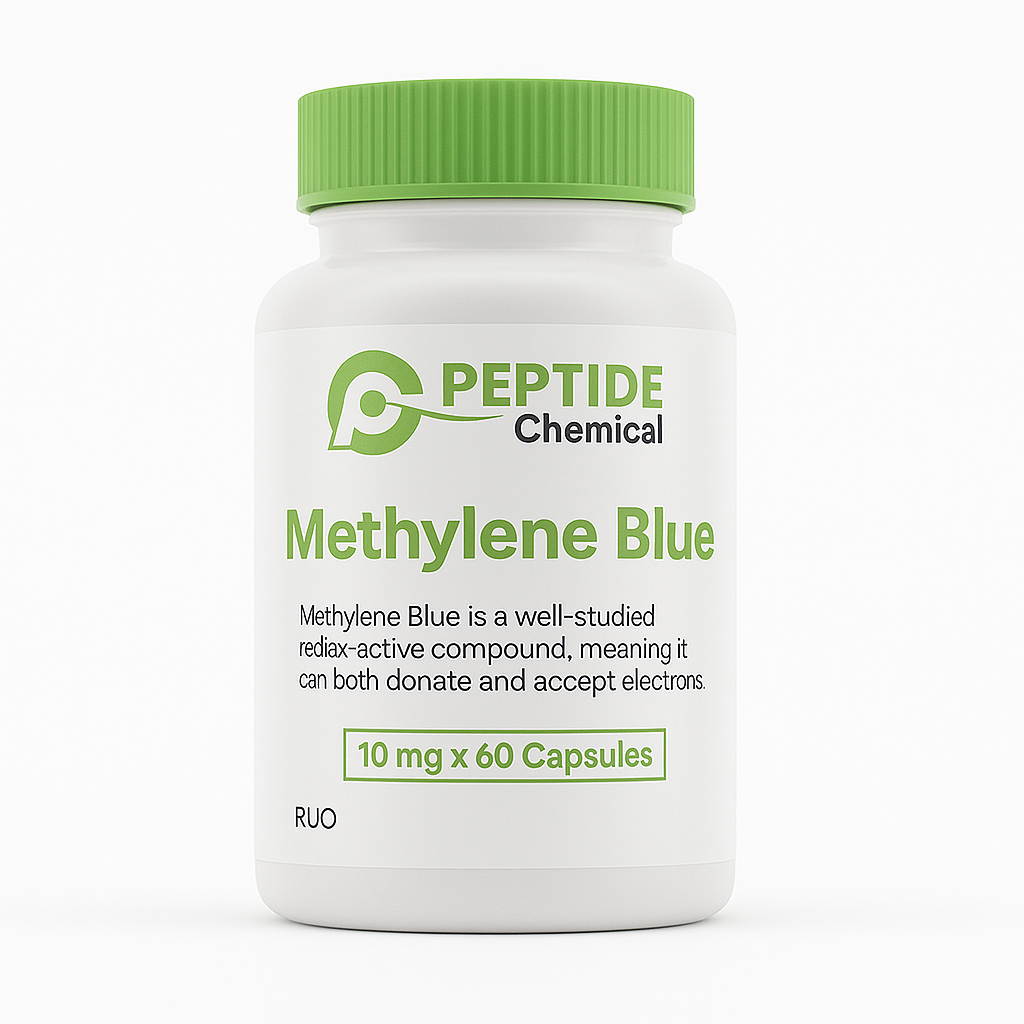
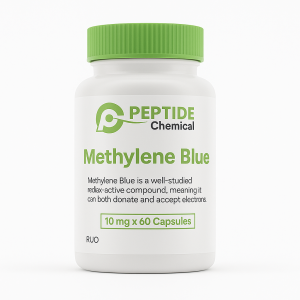
Methylene Blue
$110.00
Methylene Blue is a well-studied redox-active compound, meaning it can both donate and accept electrons — a key function in cellular energy processes. This allows it to enhance mitochondrial function by supporting the electron transport chain, improving ATP production and reducing oxidative stress. Research shows it also modulates inflammatory pathways and protects mitochondrial integrity. Methylene Blue is studied for its neuroprotective, metabolic, and anti-aging properties, making it a promising compound for brain health and cellular resilience.
Related products
Cagrilintide
Cagrilintide is a long-acting analogue of amylin, a naturally occurring peptide that is released in conjunction with insulin. Cagrilintide has shown promise in animal trials as a treatment for obesity and type 2 diabetes. It has been studied for benefits not just in type 2 diabetes, but for liver damage, alcohol-related liver disease, and heart/blood vessel disease. There is some speculation about the role of this peptide in Alzheimer’s disease as well, but no research has been published in that particular sub-domain, yet. Many trials, however, have looked at the combination of cagrilintide and semaglutide in the treatment of obesity and type 2 diabetes. The two proteins appear to work synergistically to provide more robust and more permanent weight loss effects. It is important to note that while preclinical studies suggest promising therapeutic potential, clinical trials in humans are limited. Further research needs to be done to determine the efficacy and safety profiles.
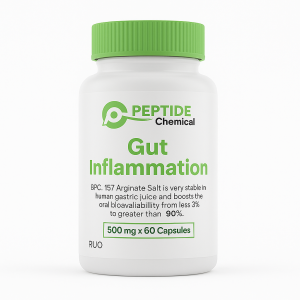
Gut Inflammation (60 Capsules) (Stable BPC-157 Arginate, KPV, Larazotide) FREE Shipping
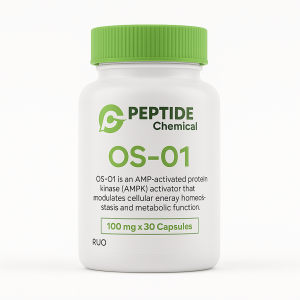
OS-01 (100mg x 30 Capsules)



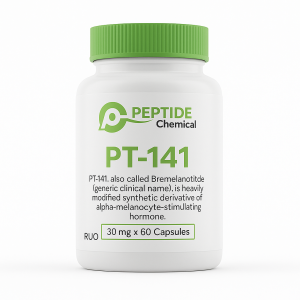
PT-141
PT-141, also called Bremelanotide (generic clinical name), is a heavily modified synthetic derivative of alpha-melanocyte-stimulating hormone. It has been tested in clinical trials as a treatment for both male/female hypoactive sexual desire disorder and acute hemorrhage. PT-141 is an agonist for the melanocortin-4 and melanocortin-1 receptors. Research shows that it promotes sexual arousal and stimulates the immune system.
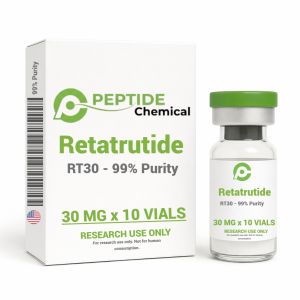
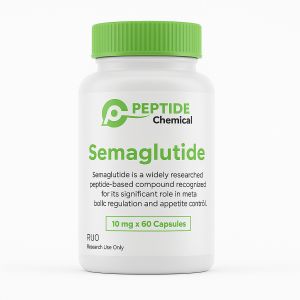
Semaglutide
Semaglutide is a widely researched peptide-based compound recognized for its significant role in metabolic regulation and appetite control. It belongs to the class of GLP-1 receptor agonists, which are designed to mimic naturally occurring hormones involved in glucose metabolism and satiety signaling.
SLU-PP-332
SLU-PP-332 (250mcg x 60 Capsules = 15,000mcg) SLU-PP-332 (1000mcg x 30 Capsules = 30,000mcg) SLU-PP-332 is an experimental compound designed to mimic the metabolic effects of exercise by activating estrogen-related receptors (ERRs), particularly ERRα, ERRβ, and ERRγ. This activation leads to increased energy expenditure, enhanced fatty acid oxidation, and improved mitochondrial function.



Reviews
There are no reviews yet.