

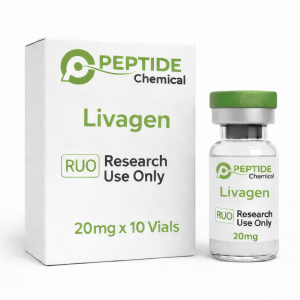
Livagen is a synthetic peptide bioregulator derived from liver tissue extracts composed of short amino acid sequences that influence hepatic gene expression and detoxification processes. It has been shown in experimental models to regulate protein synthesis, antioxidant activity, and lipid metabolism. Livagen is utilized in molecular and biochemical research exploring peptide-mediated hepatic homeostasis and gene regulation mechanisms.
For research use only. Not for human consumption.
References:
Khavinson VK et al., Bull Exp Biol Med, 2003 136(1):55–58
Morozov VG et al., Mech Ageing Dev, 1997 96(1–3):123–132
Anisimov VN et al., Arch Gerontol Geriatr, 2017 71:142–146
New
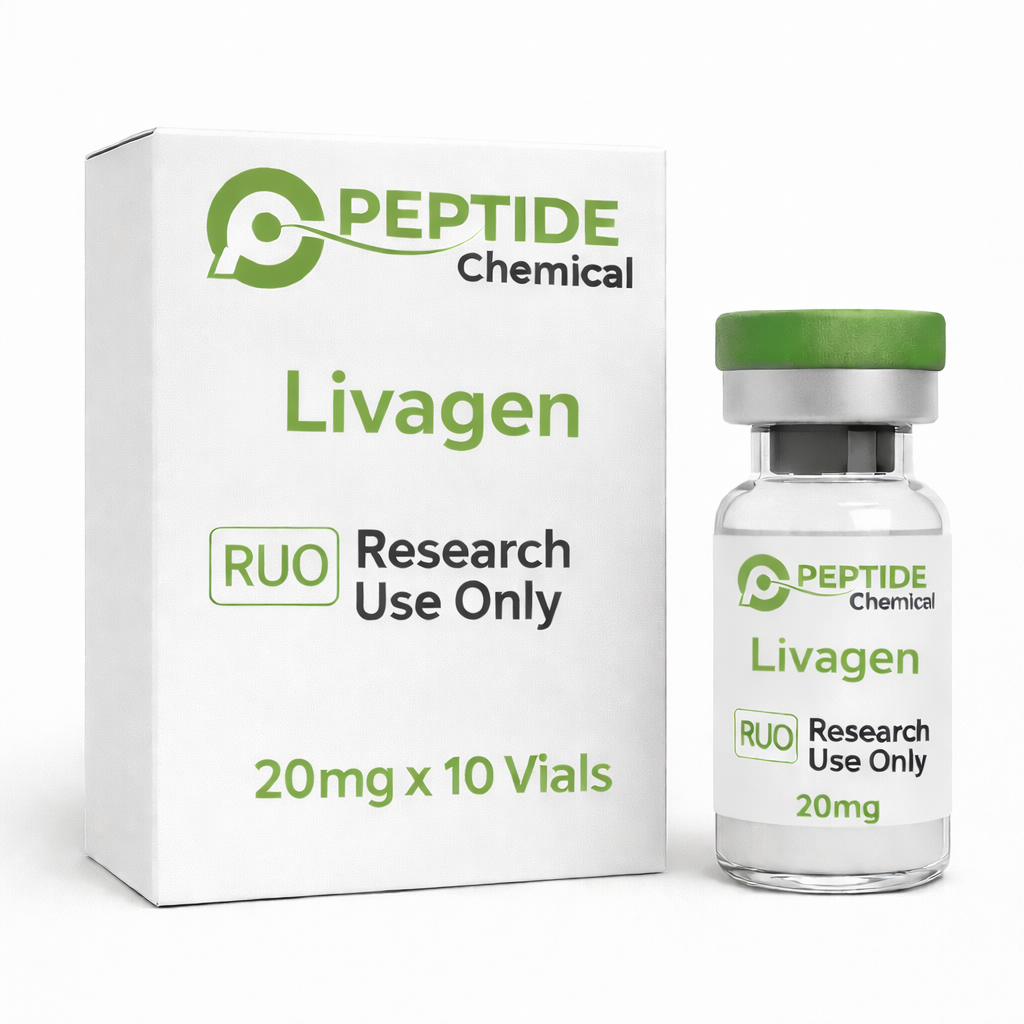
Livagen 20mg (Bioregulator)
$65.00
Livagen is a synthetic peptide bioregulator derived from liver tissue extracts composed of short amino acid sequences that influence hepatic gene expression and detoxification processes. It has been shown in experimental models to regulate protein synthesis, antioxidant activity, and lipid metabolism. Livagen is utilized in molecular and biochemical research exploring peptide-mediated hepatic homeostasis and gene regulation mechanisms.
Description
Shipping & Delivery
Related products
BPC-157 15mg
 BPC-157 has undergone a great deal of research because its healing abilities extend well beyond the lining of the stomach. Studies in animal models indicate that BPC-157 can enhance angiogenesis, promote wound healing, stimulate collagen synthesis, modulate the inflammatory response, and protect against oxidative stress. The peptide has shown benefits in animal models with inflammatory bowel disease, GI ulcers, musculoskeletal injuries, heart damage, eye injuries and neurological damage. Research has shown that the oral bioavailability of BPC-157 is quite high.
 BPC-157, TB-500, GHK-Cu (Glow Blend)
BPC-157 has undergone a great deal of research because its healing abilities extend well beyond the lining of the stomach. Studies in animal models indicate that BPC-157 can enhance angiogenesis, promote wound healing, stimulate collagen synthesis, modulate the inflammatory response, and protect against oxidative stress. The peptide has shown benefits in animal models with inflammatory bowel disease, GI ulcers, musculoskeletal injuries, heart damage, eye injuries and neurological damage. Research has shown that the oral bioavailability of BPC-157 is quite high. 
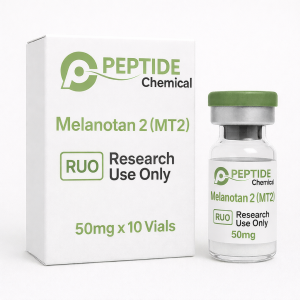
Melanotan 2 (MT2) (3mg x 10 Vials = 30mg)
Melanotan-2 (MT-2) is a synthetic derivative of human alpha-melanocyte-stimulating hormone (α-MSH), developed at the University of Arizona in the 1980s. The initial purpose was to create a sunless tanning alternative, inspired by α-MSH's ability to induce sexual arousal and skin darkening in rodents. However, as research progressed, MT-2's diverse effects were unveiled. These include enhancing sexual arousal, promoting skin pigmentation, reducing compulsive behavior, managing addiction, suppressing hunger, decreasing glucagon production, and even potentially reversing certain features associated with autism. Melanotan-2 research has shown it to enhance sexual arousal, promote skin pigmentation through melanocyte activation and reduce compulsive/addictive behaviors.
NAD+
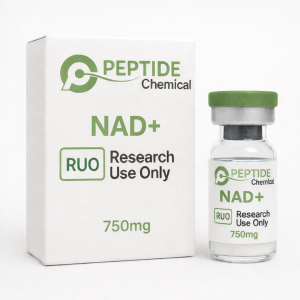
NAD+ (nicotinamide adenine dinucleotide) is a vital coenzyme in all living cells, essential for metabolic processes and cellular function. It acts as a mediator of redox reactions, alternating between its oxidized (NAD+) and reduced (NADH) forms to facilitate electron transfer, crucial for energy production and sustaining life. Involved in over 500 enzymatic reactions, NAD+ is central to maintaining cellular homeostasis. Research shows that NAD+ may be beneficial in improving muscle function, protecting cells of the nervous system, and generally reducing the effects of aging.
Beyond energy metabolism, NAD+ supports DNA repair and gene regulation through enzymes like sirtuins and PARPs. Sirtuins use NAD+ to regulate cellular functions such as DNA repair, gene expression, and aging, while PARPs utilize it to repair DNA damage and maintain genomic stability. These roles underscore NAD+'s importance in cellular integrity and combating aging.



Reviews
There are no reviews yet.