

KPV (Lysine–Proline–Valine)
KPV is a short, synthetic tripeptide composed of the amino acids lysine, proline, and valine. It is a fragment derived from α-melanocyte-stimulating hormone (α-MSH) and is widely studied in research environments for its role in cellular signaling and inflammatory response modulation.
In laboratory research, KPV is primarily examined for its interaction with melanocortin-related pathways. These pathways are involved in regulating cellular communication, immune signaling balance, and stress-response mechanisms, making KPV relevant across multiple biological research areas.
One of the defining features of KPV is its minimal peptide structure. As a tripeptide, it allows researchers to study targeted signaling effects without the complexity of longer peptide chains, offering clarity and precision in experimental design.
KPV is frequently included in studies focused on inflammatory signaling regulation. Researchers investigate how this peptide fragment influences cytokine-related pathways and cellular response coordination in controlled experimental models.
The peptide is also of interest in gastrointestinal research. Due to its stability and origin from melanocortin signaling fragments, KPV is studied for how it interacts with local cellular environments within digestive system models.
KPV’s predictable molecular behavior supports reproducibility in laboratory experiments. Its consistent interaction patterns make it suitable for standardized research protocols and comparative studies.
Researchers value KPV for its ability to modulate signaling without broad systemic activation. This targeted activity allows for focused investigation into specific cellular pathways rather than widespread biological effects.
KPV is often studied alongside other short peptides to better understand how amino acid sequence and structure influence biological activity. Its simple composition provides insight into peptide–receptor interaction fundamentals.
In immune-related research, KPV is examined for its role in maintaining cellular signaling balance. Proper regulation of signaling intensity is essential for controlled immune response studies.
Unlike hormone-mimetic peptides, KPV functions primarily as a signaling modulator rather than a direct receptor agonist. This distinction makes it valuable in studies exploring regulatory balance rather than pathway stimulation.
The peptide’s stability under laboratory conditions supports extended research use without rapid degradation. This reliability contributes to consistent experimental outcomes.
KPV is commonly included in combination research frameworks to examine how short peptides integrate with broader signaling networks. This approach allows researchers to study cooperative peptide activity.
Because it is derived from a naturally occurring hormone fragment, KPV is well suited for physiologically aligned research models. Its biological relevance enhances experimental validity.
KPV continues to attract scientific interest due to its simplicity, stability, and focused signaling properties.
As peptide research advances, KPV remains an important tool for exploring how small peptide sequences can exert meaningful influence on complex cellular communication systems.
New
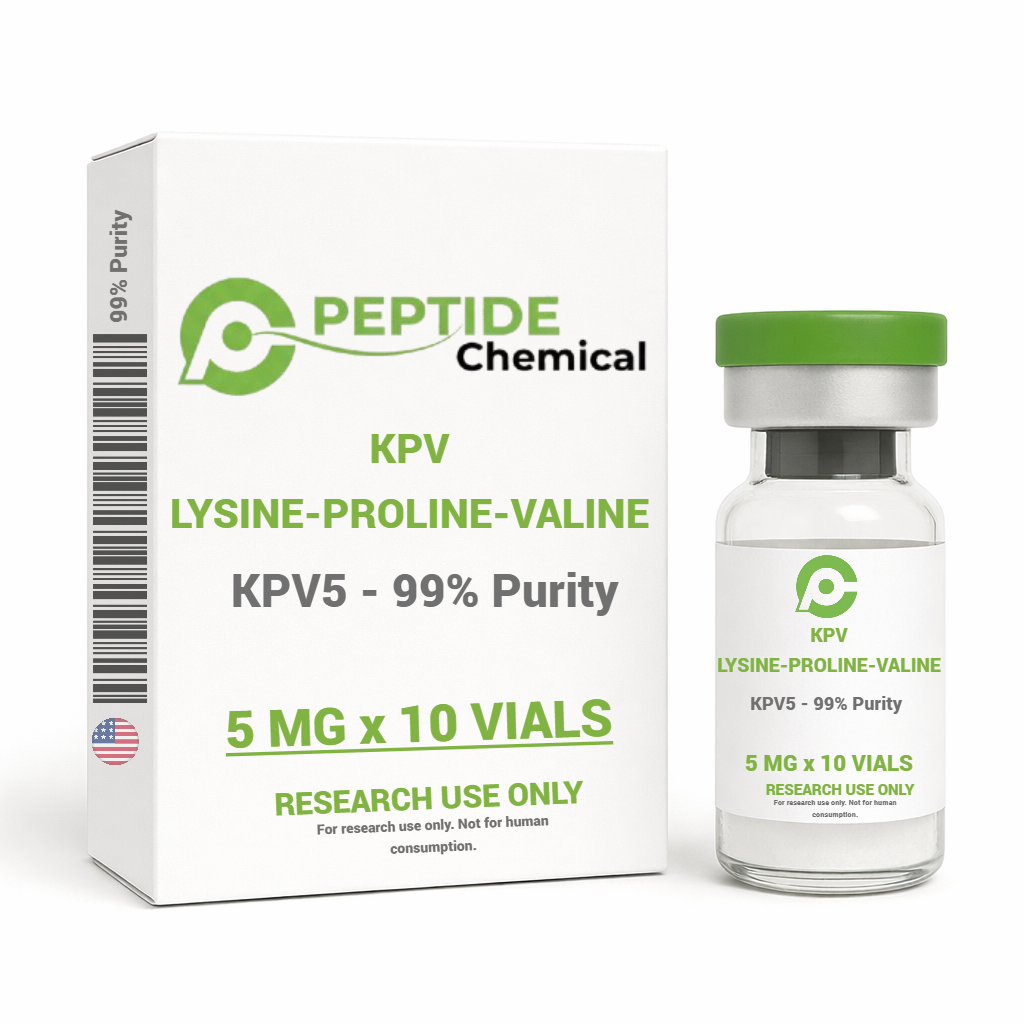
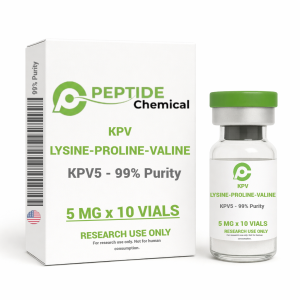
KPV (Lysine–Proline–Valine)5mg
$40.00
KPV is a short, synthetic tripeptide composed of the amino acids lysine, proline, and valine. It is a fragment derived from α-melanocyte-stimulating hormone (α-MSH) and is widely studied in research environments for its role in cellular signaling and inflammatory response modulation.
Description
Shipping & Delivery
Related products
BPC 157 500mcg (60 Capsules)
 BPC-157 has undergone a great deal of research because its healing abilities extend well beyond the lining of the stomach. Studies in animal models indicate that BPC-157 can enhance angiogenesis, promote wound healing, stimulate collagen synthesis, modulate the inflammatory response, and protect against oxidative stress. The peptide has shown benefits in animal models with inflammatory bowel disease, GI ulcers, musculoskeletal injuries, heart damage, eye injuries and neurological damage. Research has shown that the oral bioavailability of BPC-157 is quite high.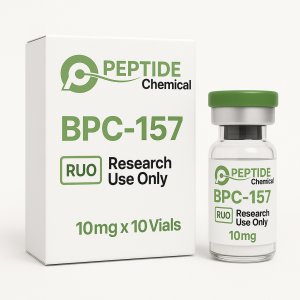
BPC-157 15mg
BPC-157 has undergone a great deal of research because its healing abilities extend well beyond the lining of the stomach. Studies in animal models indicate that BPC-157 can enhance angiogenesis, promote wound healing, stimulate collagen synthesis, modulate the inflammatory response, and protect against oxidative stress. The peptide has shown benefits in animal models with inflammatory bowel disease, GI ulcers, musculoskeletal injuries, heart damage, eye injuries and neurological damage. Research has shown that the oral bioavailability of BPC-157 is quite high. BPC-157, TB-500, GHK-Cu (Glow Blend)
BPC-157 has undergone a great deal of research because its healing abilities extend well beyond the lining of the stomach. Studies in animal models indicate that BPC-157 can enhance angiogenesis, promote wound healing, stimulate collagen synthesis, modulate the inflammatory response, and protect against oxidative stress. The peptide has shown benefits in animal models with inflammatory bowel disease, GI ulcers, musculoskeletal injuries, heart damage, eye injuries and neurological damage. Research has shown that the oral bioavailability of BPC-157 is quite high. BPC-157, TB-500, KPV, GHK-Cu 80mg (Klow Blend)
BPC-157 has undergone a great deal of research because its healing abilities extend well beyond the lining of the stomach. Studies in animal models indicate that BPC-157 can enhance angiogenesis, promote wound healing, stimulate collagen synthesis, modulate the inflammatory response, and protect against oxidative stress. The peptide has shown benefits in animal models with inflammatory bowel disease, GI ulcers, musculoskeletal injuries, heart damage, eye injuries and neurological damage. Research has shown that the oral bioavailability of BPC-157 is quite high. 
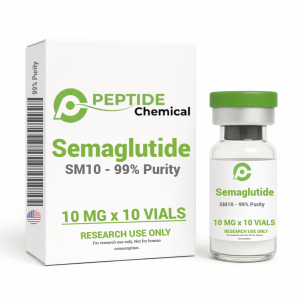
Semaglutide 10
Semaglutide is a widely researched peptide-based compound recognized for its significant role in metabolic regulation and appetite control. It belongs to the class of GLP-1 receptor agonists, which are designed to mimic naturally occurring hormones involved in glucose metabolism and satiety signaling.



Reviews
There are no reviews yet.