

IGF-1 LR3 (Insulin-Like Growth Factor-1 Long Arg3)
IGF-1 LR3 is a synthetic analog of insulin-like growth factor-1 (IGF-1), engineered for enhanced stability and prolonged activity in research environments. Structural modifications, including an arginine substitution and extended peptide chain, distinguish it from native IGF-1 and make it a valuable compound for cellular growth and signaling studies.
In laboratory research, IGF-1 LR3 is primarily studied for its interaction with IGF-1 receptors, which play a critical role in cell growth, differentiation, and metabolic signaling. These receptors are widely distributed across tissues, making the compound relevant in diverse biological research models.
One of the defining characteristics of IGF-1 LR3 is its reduced affinity for IGF-binding proteins. This modification allows for extended receptor availability and sustained signaling, enabling researchers to observe longer-lasting cellular responses in controlled experimental settings.
IGF-1 LR3 is frequently examined in studies focused on cell proliferation and tissue signaling pathways. Researchers explore how prolonged IGF-1 receptor activation influences cellular development, regeneration-related signaling, and adaptive growth processes.
The compound is also of interest in metabolic research. IGF-1 signaling is closely linked to nutrient utilization, glucose transport, and anabolic balance, making IGF-1 LR3 useful for investigating metabolic coordination at the cellular level.
In muscle and connective tissue research models, IGF-1 LR3 is studied for its role in cellular communication related to growth and repair signaling. Its extended activity profile supports observation of long-term cellular adaptation rather than short-term responses.
Unlike endocrine hormones that act broadly, IGF-1 LR3 is studied for its receptor-specific signaling behavior. This targeted interaction allows researchers to focus on downstream molecular pathways without widespread systemic activation.
Researchers also investigate IGF-1 LR3 in gene expression studies, examining how IGF-related signaling influences transcription factors involved in growth and cellular maintenance.
The peptide’s predictable molecular behavior supports reproducibility in laboratory experiments. Its consistent receptor interaction makes it suitable for comparative studies and standardized research protocols.
IGF-1 LR3 is often included in advanced growth-factor research to better understand how structural peptide modifications alter biological activity and signaling duration.
Because growth and metabolism are interconnected systems, IGF-1 LR3 is commonly used in systems-based research rather than isolated pathway analysis. This allows for a broader view of cellular coordination.
The compound’s enhanced stability compared to native IGF-1 makes it particularly valuable for extended in-vitro and in-vivo research models where consistent signaling is required.
IGF-1 LR3 continues to attract scientific interest due to its refined structure, prolonged activity, and relevance to growth-factor signaling science.
As peptide research advances, IGF-1 LR3 remains an important tool for exploring how sustained IGF-1 receptor activation influences cellular growth, adaptation, and metabolic regulation within complex biological systems.
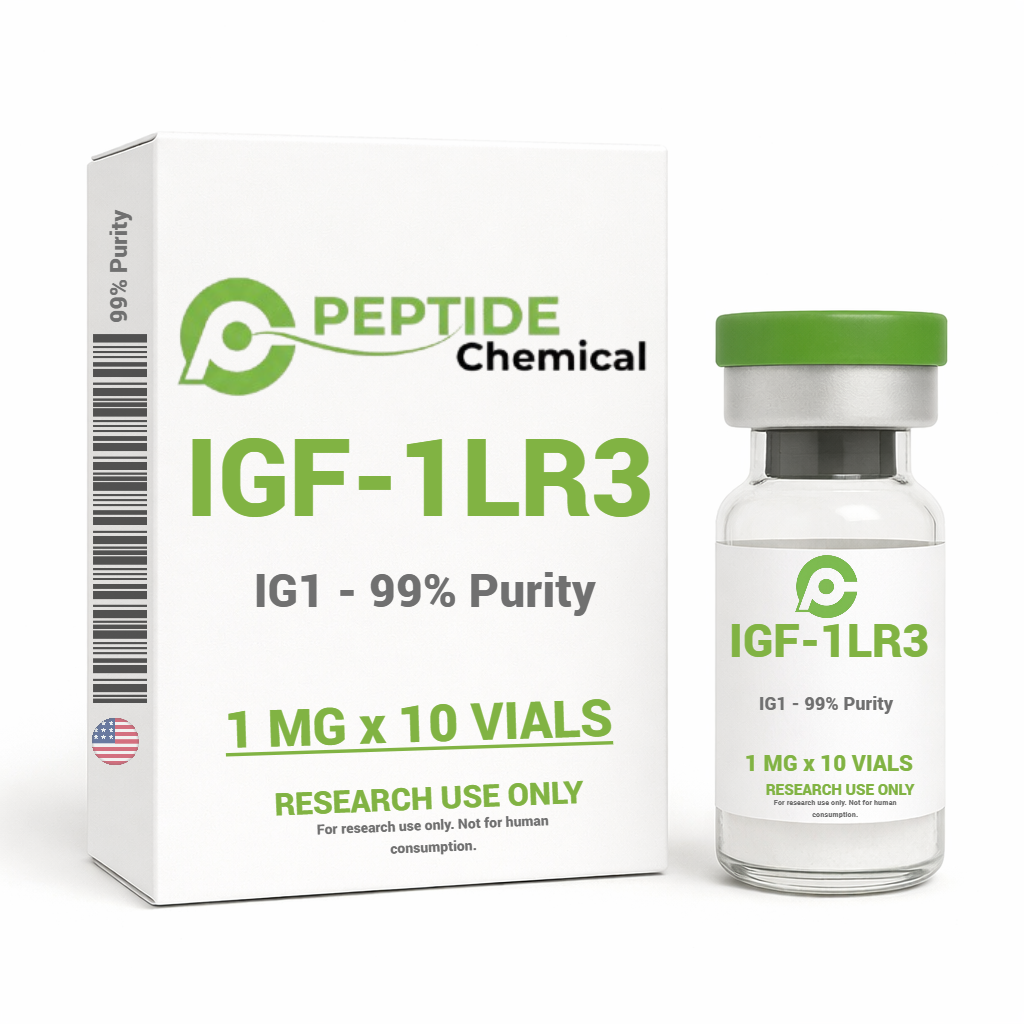
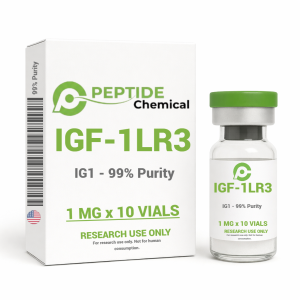
IGF-1 LR3 (Insulin-Like Growth Factor-1 Long Arg3) 1mg
$195.00
IGF-1 LR3 is a synthetic analog of insulin-like growth factor-1 (IGF-1), engineered for enhanced stability and prolonged activity in research environments. Structural modifications, including an arginine substitution and extended peptide chain, distinguish it from native IGF-1 and make it a valuable compound for cellular growth and signaling studies.
Related products
BPC 157 500mcg (60 Capsules)
 BPC-157 has undergone a great deal of research because its healing abilities extend well beyond the lining of the stomach. Studies in animal models indicate that BPC-157 can enhance angiogenesis, promote wound healing, stimulate collagen synthesis, modulate the inflammatory response, and protect against oxidative stress. The peptide has shown benefits in animal models with inflammatory bowel disease, GI ulcers, musculoskeletal injuries, heart damage, eye injuries and neurological damage. Research has shown that the oral bioavailability of BPC-157 is quite high.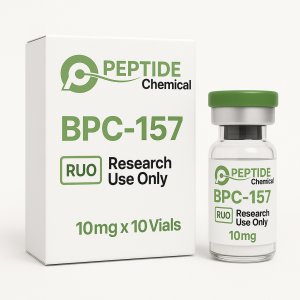
BPC-157 10mg
BPC-157 has undergone a great deal of research because its healing abilities extend well beyond the lining of the stomach. Studies in animal models indicate that BPC-157 can enhance angiogenesis, promote wound healing, stimulate collagen synthesis, modulate the inflammatory response, and protect against oxidative stress. The peptide has shown benefits in animal models with inflammatory bowel disease, GI ulcers, musculoskeletal injuries, heart damage, eye injuries and neurological damage. Research has shown that the oral bioavailability of BPC-157 is quite high. BPC-157 5mg
BPC-157 has undergone a great deal of research because its healing abilities extend well beyond the lining of the stomach. Studies in animal models indicate that BPC-157 can enhance angiogenesis, promote wound healing, stimulate collagen synthesis, modulate the inflammatory response, and protect against oxidative stress. The peptide has shown benefits in animal models with inflammatory bowel disease, GI ulcers, musculoskeletal injuries, heart damage, eye injuries and neurological damage. Research has shown that the oral bioavailability of BPC-157 is quite high. 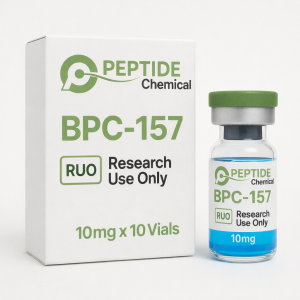
BPC-157, TB-500 (Blend)
BPC-157 has undergone a great deal of research because its healing abilities extend well beyond the lining of the stomach. Studies in animal models indicate that BPC-157 can enhance angiogenesis, promote wound healing, stimulate collagen synthesis, modulate the inflammatory response, and protect against oxidative stress. The peptide has shown benefits in animal models with inflammatory bowel disease, GI ulcers, musculoskeletal injuries, heart damage, eye injuries and neurological damage. Research has shown that the oral bioavailability of BPC-157 is quite high. BPC-157, TB-500, KPV, GHK-Cu 80mg (Klow Blend)
BPC-157 has undergone a great deal of research because its healing abilities extend well beyond the lining of the stomach. Studies in animal models indicate that BPC-157 can enhance angiogenesis, promote wound healing, stimulate collagen synthesis, modulate the inflammatory response, and protect against oxidative stress. The peptide has shown benefits in animal models with inflammatory bowel disease, GI ulcers, musculoskeletal injuries, heart damage, eye injuries and neurological damage. Research has shown that the oral bioavailability of BPC-157 is quite high. 
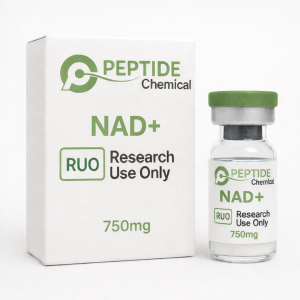
NAD+
NAD+ (nicotinamide adenine dinucleotide) is a vital coenzyme in all living cells, essential for metabolic processes and cellular function. It acts as a mediator of redox reactions, alternating between its oxidized (NAD+) and reduced (NADH) forms to facilitate electron transfer, crucial for energy production and sustaining life. Involved in over 500 enzymatic reactions, NAD+ is central to maintaining cellular homeostasis. Research shows that NAD+ may be beneficial in improving muscle function, protecting cells of the nervous system, and generally reducing the effects of aging.
Beyond energy metabolism, NAD+ supports DNA repair and gene regulation through enzymes like sirtuins and PARPs. Sirtuins use NAD+ to regulate cellular functions such as DNA repair, gene expression, and aging, while PARPs utilize it to repair DNA damage and maintain genomic stability. These roles underscore NAD+'s importance in cellular integrity and combating aging.



Reviews
There are no reviews yet.