

![IGF-1 DES (Insulin-Like Growth Factor-1 DES [1-3]) 50mg](https://peptidechemical.net/wp-content/uploads/2025/12/IGD-300x300.png)
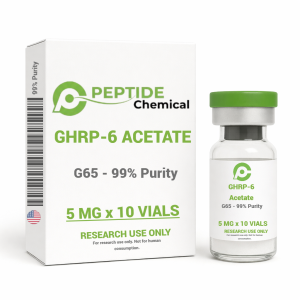
IGF-1 DES (Insulin-Like Growth Factor-1 DES [1-3])
IGF-1 DES is a truncated synthetic analog of insulin-like growth factor-1 (IGF-1) designed for research into receptor-mediated cellular signaling and growth factor pathways. This peptide consists of the first three amino acids of IGF-1, offering a targeted approach for studying receptor interactions with enhanced binding specificity.
In laboratory research, IGF-1 DES is valued for its selective interaction with IGF-1 receptors, which are widely expressed in multiple tissue types. Its truncated structure allows researchers to examine receptor activation and downstream intracellular signaling without the complexity of the full-length molecule.
One of the defining characteristics of IGF-1 DES is its ability to stimulate localized receptor pathways. This property makes it a useful tool for investigating short-term receptor engagement, signal transduction, and cellular response dynamics in controlled experimental models.
IGF-1 DES is frequently included in studies focused on tissue-specific growth signaling, receptor kinetics, and anabolic pathways. Researchers explore how targeted receptor activation influences transcriptional regulation, protein synthesis, and cellular adaptation.
The peptide is also used in comparative research alongside full-length IGF-1 and other analogs to study differences in receptor affinity, binding efficiency, and signal intensity. These analyses provide valuable insight into structure–activity relationships within the IGF-1 family of peptides.
IGF-1 DES’s compact structure enhances molecular stability, allowing predictable behavior in laboratory conditions. This stability is critical for reproducible results across multiple experimental setups.
Researchers often employ IGF-1 DES to investigate receptor-specific mechanisms in growth factor biology, intracellular signaling modulation, and localized cellular response.
Unlike broader-acting growth factors, IGF-1 DES operates through targeted receptor engagement, offering a focused model for understanding peptide-mediated signaling pathways without inducing widespread systemic effects.
The peptide is also studied for its effects on downstream intracellular pathways, including protein synthesis regulation and receptor-mediated transcriptional activity.
Because IGF-1 signaling intersects multiple cellular systems, IGF-1 DES is commonly used in systems-based research to examine integrated growth and metabolic signaling rather than isolated pathways.
Its well-characterized molecular profile makes IGF-1 DES a reliable research tool in cellular biology, receptor interaction studies, and peptide signaling investigations.
IGF-1 DES continues to attract scientific interest due to its specificity, stability, and utility in dissecting receptor-mediated mechanisms in laboratory research.
Its truncated design, predictable receptor engagement, and receptor-targeted signaling make IGF-1 DES an essential peptide for exploring IGF-1–related cellular communication and molecular biology pathways.
Description
Shipping & Delivery
Related products
BPC 157 500mcg (60 Capsules)
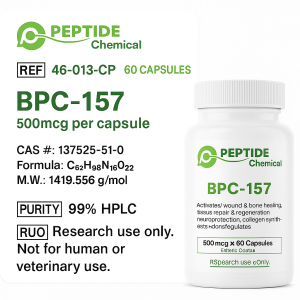
 BPC-157 has undergone a great deal of research because its healing abilities extend well beyond the lining of the stomach. Studies in animal models indicate that BPC-157 can enhance angiogenesis, promote wound healing, stimulate collagen synthesis, modulate the inflammatory response, and protect against oxidative stress. The peptide has shown benefits in animal models with inflammatory bowel disease, GI ulcers, musculoskeletal injuries, heart damage, eye injuries and neurological damage. Research has shown that the oral bioavailability of BPC-157 is quite high.
BPC-157, TB-500 (Blend)
BPC-157 has undergone a great deal of research because its healing abilities extend well beyond the lining of the stomach. Studies in animal models indicate that BPC-157 can enhance angiogenesis, promote wound healing, stimulate collagen synthesis, modulate the inflammatory response, and protect against oxidative stress. The peptide has shown benefits in animal models with inflammatory bowel disease, GI ulcers, musculoskeletal injuries, heart damage, eye injuries and neurological damage. Research has shown that the oral bioavailability of BPC-157 is quite high. 
GHK-Cu 50mg Copper Peptide
GHK-Cu is a small, naturally occurring peptide with the ability to attenuate inflammation, improve antioxidant responses, and improve gene expression on a large scale. Research shows that this copper-chelating peptide may be of critical importance both in the prevention of neurodegenerative disease and as a tool for exploring pathophysiological mechanisms. Studies in mice have revealed that GHK-Cu can protect against neurological insults, improve wound healing, reduce rates of infection, and boost blood vessel growth. The peptide has been of interest in recent years for its anti-oxidant properties that, in combination with its ability to alter gene expression patterns, appear to help slow or even reverse some aspects of aging.
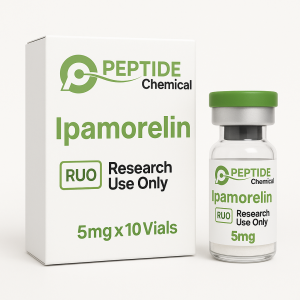
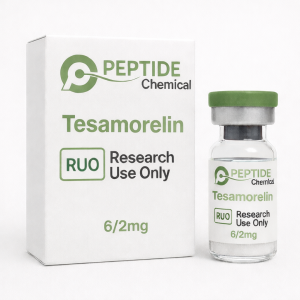
Tesamorelin, Ipamorelin 8mg (Blend)
The scientific community continues to explore new applications for Ipamorelin, particularly in regenerative biology, metabolic optimization, and long-term health research. As understanding of GH and IGF-1 pathways deepens, Ipamorelin remains a cornerstone tool for investigating the body’s natural growth and repair mechanisms.



Reviews
There are no reviews yet.