

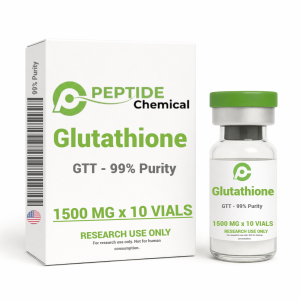
Glutathione
Glutathione is a naturally occurring tripeptide composed of glutamate, cysteine, and glycine. It is one of the most important intracellular molecules studied in cellular biology due to its central role in maintaining cellular balance and protecting cells from oxidative stress.
In research environments, Glutathione is widely recognized as the body’s primary endogenous antioxidant. It participates directly in neutralizing reactive oxygen species (ROS), making it essential for studies focused on oxidative damage, cellular defense mechanisms, and redox regulation.
Glutathione plays a critical role in cellular detoxification pathways. It acts as a cofactor for glutathione-dependent enzymes that support the processing and elimination of metabolic byproducts and environmental stressors, which makes it highly relevant in toxicology and cellular stress research.
One of Glutathione’s most studied functions is its involvement in maintaining redox homeostasis. By cycling between reduced (GSH) and oxidized (GSSG) forms, it allows cells to adapt to changing metabolic demands while preserving cellular integrity.
Glutathione is also essential for mitochondrial health. Mitochondria rely on adequate glutathione levels to maintain efficient energy production and protect against oxidative damage generated during ATP synthesis.
In immune-related research, Glutathione is examined for its role in regulating immune cell signaling and response balance. Adequate intracellular glutathione levels are associated with proper immune cell function and communication in experimental models.
Researchers frequently study Glutathione in aging and longevity science. Declining glutathione levels are associated with increased oxidative stress and reduced cellular resilience, making it a foundational compound in cellular aging research.
Glutathione is also involved in protein synthesis and amino acid transport. Its presence supports proper protein folding and protects cellular structures from oxidative modification.
In neurological research, Glutathione is examined for its importance in maintaining neuronal stability. Brain cells are particularly sensitive to oxidative stress, and glutathione plays a key role in protecting neural tissue in laboratory models.
Unlike pathway-specific compounds, Glutathione functions across nearly all cell types and systems. Its broad intracellular role makes it a cornerstone molecule in systems-based biological research.
Researchers value Glutathione for its predictability and fundamental biological importance. Because it is essential to basic cellular survival, it serves as a reliable reference compound in antioxidant and metabolic studies.
Glutathione’s well-documented biochemical profile allows for reproducible and controlled experimentation. Its role as both a signaling regulator and protective molecule gives it wide applicability across research disciplines.
As scientific interest in cellular resilience, oxidative balance, and metabolic health continues to grow, Glutathione remains one of the most extensively studied and biologically significant molecules in modern research.
Hot
Glutathione
$65.00
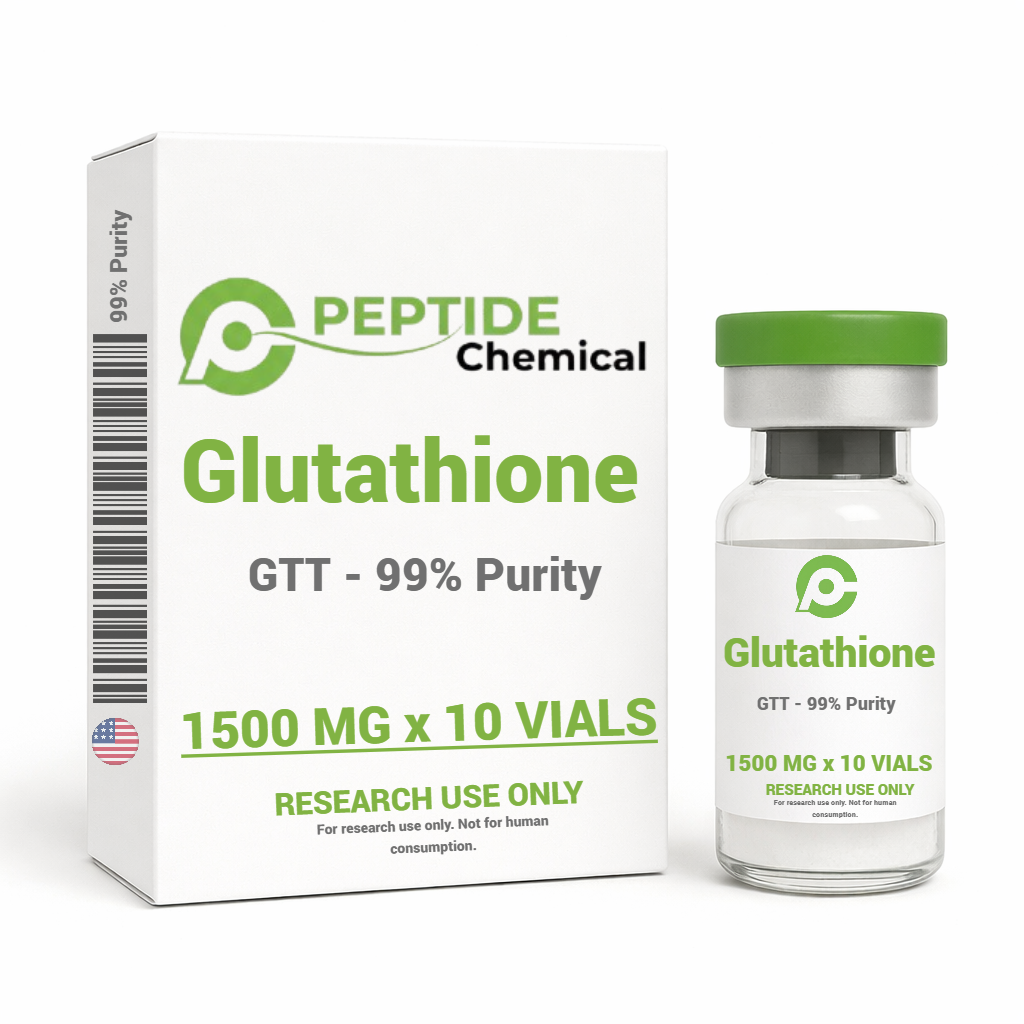
Glutathione is a naturally occurring tripeptide composed of glutamate, cysteine, and glycine. It is one of the most important intracellular molecules studied in cellular biology due to its central role in maintaining cellular balance and protecting cells from oxidative stress.
Description
Shipping & Delivery
Related products
5-Amino-1MQ 50mg (60 Capsules)
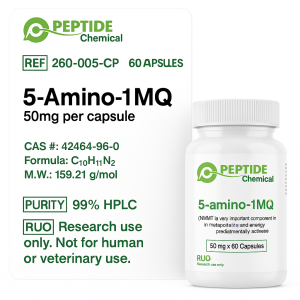
 5-amino-1MQ is a small molecule that blocks the activity of the enzyme called nicotinamide N-methyltransferase (NNMT). NNMT is a very important component in metabolism and energy and is predominantly active in fat tissue. By blocking NNMT, 5-amino-1MQ stimulates an increase in nicotinamide adenine dinucleotide (NAD+), a cofactor that is central to cellular metabolism, thereby increasing metabolic rate and activating a gene called sirtuin-1 (SIRT1).
SIRT1 is also known as the "longevity gene" because of its role in reducing the risk of diabetes, obesity, metabolic syndrome, atherosclerosis and other forms of cardiovascular disease, kidney disease, liver disease, neurodegeneration, and cancer. Research in mice given 5-amino-1MQ showed a 7% reduction in body mass over 10 days without any changes in food intake, compared to controls. Research has shown that decreasing NNMT may help shrink fat cells and reduce the size of fat deposits.
5-amino-1MQ is a small molecule that blocks the activity of the enzyme called nicotinamide N-methyltransferase (NNMT). NNMT is a very important component in metabolism and energy and is predominantly active in fat tissue. By blocking NNMT, 5-amino-1MQ stimulates an increase in nicotinamide adenine dinucleotide (NAD+), a cofactor that is central to cellular metabolism, thereby increasing metabolic rate and activating a gene called sirtuin-1 (SIRT1).
SIRT1 is also known as the "longevity gene" because of its role in reducing the risk of diabetes, obesity, metabolic syndrome, atherosclerosis and other forms of cardiovascular disease, kidney disease, liver disease, neurodegeneration, and cancer. Research in mice given 5-amino-1MQ showed a 7% reduction in body mass over 10 days without any changes in food intake, compared to controls. Research has shown that decreasing NNMT may help shrink fat cells and reduce the size of fat deposits. 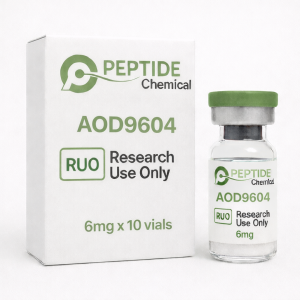
AOD9604 6mg
AOD9604 is a modified version of the hGH fragment 176-191 peptide (contains a di-sulfide bridge) and thus a derivative of human growth hormone (hGH). Originally developed as a lipolytic (fat burning) compound, AOD9604 has shown benefit in studies of heart disease, osteoarthritis/cartilage repair, and metabolic syndrome. AOD9604 stimulates lipolysis (the breakdown or destruction of fat) and inhibits lipogenesis in animal studies.
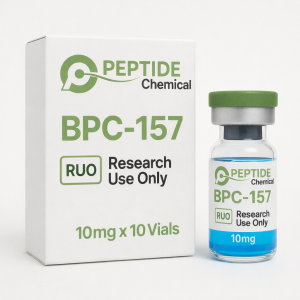
BPC-157, TB-500 (Blend)
BPC-157 has undergone a great deal of research because its healing abilities extend well beyond the lining of the stomach. Studies in animal models indicate that BPC-157 can enhance angiogenesis, promote wound healing, stimulate collagen synthesis, modulate the inflammatory response, and protect against oxidative stress. The peptide has shown benefits in animal models with inflammatory bowel disease, GI ulcers, musculoskeletal injuries, heart damage, eye injuries and neurological damage. Research has shown that the oral bioavailability of BPC-157 is quite high. 



Reviews
There are no reviews yet.