

GHK-Cu (Copper Tripeptide-1)
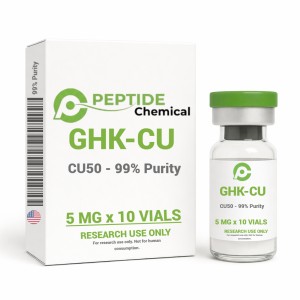
GHK-Cu, also known as Copper Tripeptide-1, is a naturally occurring peptide complex formed by the binding of the tripeptide GHK (glycyl-L-histidyl-L-lysine) with a copper ion. It is widely studied in cellular biology due to its role in signaling pathways associated with tissue maintenance and cellular communication.
In research settings, GHK-Cu is valued for its ability to interact with multiple biological systems simultaneously. The copper-binding structure allows it to influence gene expression and cellular signaling processes related to structural integrity and repair mechanisms.
GHK-Cu is frequently examined in studies focused on extracellular matrix regulation. Researchers explore how the peptide-copper complex supports communication between cells responsible for collagen, elastin, and proteoglycan signaling pathways.
One defining feature of GHK-Cu is its involvement in cellular regeneration research. It has been shown to influence pathways associated with cell growth, differentiation, and adaptive response to environmental stressors.
The copper ion within GHK-Cu plays a critical role in enzymatic activity. Copper-dependent enzymes are essential for oxidative balance and tissue remodeling, making GHK-Cu relevant in studies examining redox regulation and cellular metabolism.
GHK-Cu is also investigated for its influence on inflammatory signaling pathways. Researchers study how it interacts with cytokine expression and cellular stress response systems in controlled laboratory models.
In skin and connective tissue research, GHK-Cu is examined for its role in structural protein signaling. Its activity provides insight into how cells coordinate maintenance and renewal processes at the molecular level.
The peptide is notable for its ability to modulate gene expression. Research has shown that GHK-Cu can upregulate genes associated with repair and downregulate those linked to cellular breakdown, making it a valuable tool for genetic signaling studies.
GHK-Cu is commonly included in aging and longevity research due to its broad regulatory role in cellular health. Its influence across multiple systems supports investigations into how coordinated signaling affects long-term tissue stability.
Unlike single-pathway peptides, GHK-Cu operates through a network of interactions rather than a single receptor. This multi-target activity allows researchers to study integrated biological responses rather than isolated effects.
The compound’s naturally occurring origin contributes to its relevance in physiologically aligned research models. Its presence in human plasma and tissues makes it particularly useful for biologically relevant experimental design.
GHK-Cu’s stability and well-characterized molecular profile support reproducibility in laboratory environments. This reliability has led to its widespread use as a reference compound in peptide and copper biology research.
Researchers also study GHK-Cu for its antioxidant-related activity, examining how it helps regulate oxidative stress and maintain cellular balance under challenging conditions.
As interest in regenerative science and cellular optimization continues to grow, GHK-Cu remains a cornerstone compound due to its versatility, stability, and broad biological relevance.
Its unique combination of peptide signaling and trace mineral coordination makes GHK-Cu an essential research tool for exploring complex cellular communication networks.
New
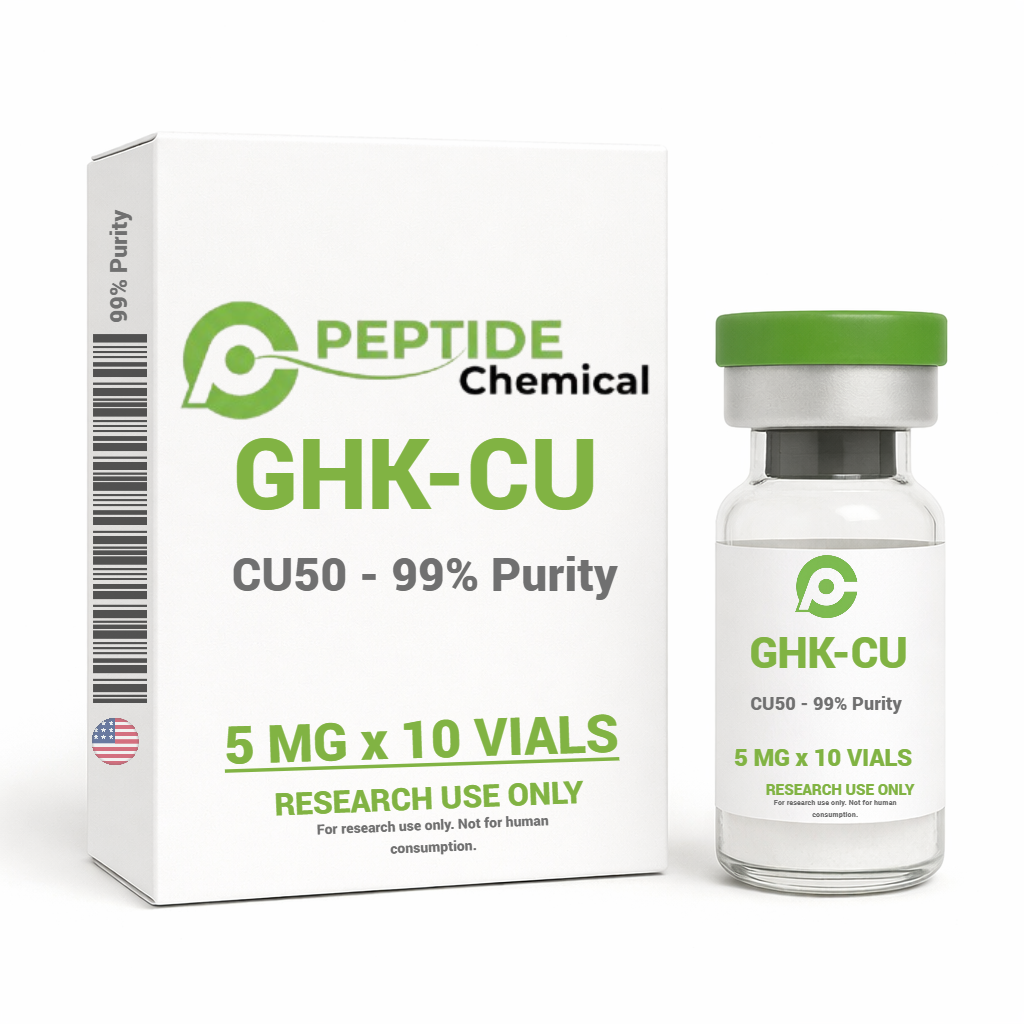
GHK-Cu (Copper Tripeptide) 5mg
$28.00
GHK-Cu, also known as Copper Tripeptide-1, is a naturally occurring peptide complex formed by the binding of the tripeptide GHK (glycyl-L-histidyl-L-lysine) with a copper ion. It is widely studied in cellular biology due to its role in signaling pathways associated with tissue maintenance and cellular communication.
Description
Shipping & Delivery
Related products
AOD9604 6mg
AOD9604 is a modified version of the hGH fragment 176-191 peptide (contains a di-sulfide bridge) and thus a derivative of human growth hormone (hGH). Originally developed as a lipolytic (fat burning) compound, AOD9604 has shown benefit in studies of heart disease, osteoarthritis/cartilage repair, and metabolic syndrome. AOD9604 stimulates lipolysis (the breakdown or destruction of fat) and inhibits lipogenesis in animal studies.
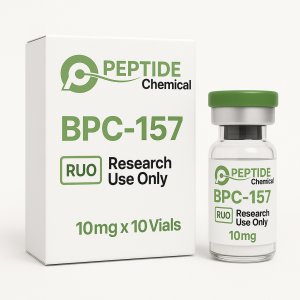
BPC-157 10mg
 BPC-157 has undergone a great deal of research because its healing abilities extend well beyond the lining of the stomach. Studies in animal models indicate that BPC-157 can enhance angiogenesis, promote wound healing, stimulate collagen synthesis, modulate the inflammatory response, and protect against oxidative stress. The peptide has shown benefits in animal models with inflammatory bowel disease, GI ulcers, musculoskeletal injuries, heart damage, eye injuries and neurological damage. Research has shown that the oral bioavailability of BPC-157 is quite high.
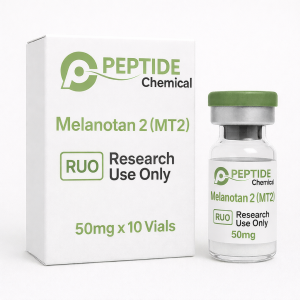
Melanotan 2 (MT2) (3mg x 10 Vials = 30mg)
Melanotan-2 (MT-2) is a synthetic derivative of human alpha-melanocyte-stimulating hormone (α-MSH), developed at the University of Arizona in the 1980s. The initial purpose was to create a sunless tanning alternative, inspired by α-MSH's ability to induce sexual arousal and skin darkening in rodents. However, as research progressed, MT-2's diverse effects were unveiled. These include enhancing sexual arousal, promoting skin pigmentation, reducing compulsive behavior, managing addiction, suppressing hunger, decreasing glucagon production, and even potentially reversing certain features associated with autism. Melanotan-2 research has shown it to enhance sexual arousal, promote skin pigmentation through melanocyte activation and reduce compulsive/addictive behaviors.
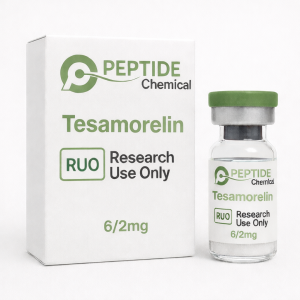
Tesamorelin, Ipamorelin 8mg (Blend)
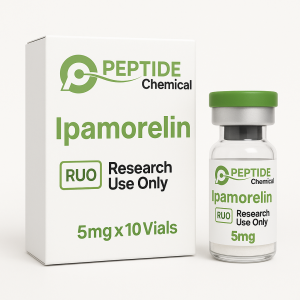
The scientific community continues to explore new applications for Ipamorelin, particularly in regenerative biology, metabolic optimization, and long-term health research. As understanding of GH and IGF-1 pathways deepens, Ipamorelin remains a cornerstone tool for investigating the body’s natural growth and repair mechanisms.



Reviews
There are no reviews yet.