

Fragment, CJC-1295 (no DAC), and Ipamorelin is a research peptide blend combining hGH Fragment 176–191 with GHRH and ghrelin receptor agonists for coordinated growth hormone axis modeling. The fragment modulates AMPK and β-adrenergic signaling, CJC-1295 (Mod GRF 1–29) activates GHRH receptor pathways, and Ipamorelin stimulates calcium-dependent GHS-R1a signaling. This blend supports research into metabolic peptide synergy and hypothalamic–pituitary function.
For research use only. Not for human consumption.
References:
Ng FM et al., Metabolism, 2002 51(12):1739–1743
Teichman SL et al., J Clin Endocrinol Metab, 2006 91(2):479–487
Kojima M et al., Nature, 1999 402(6762):656–660
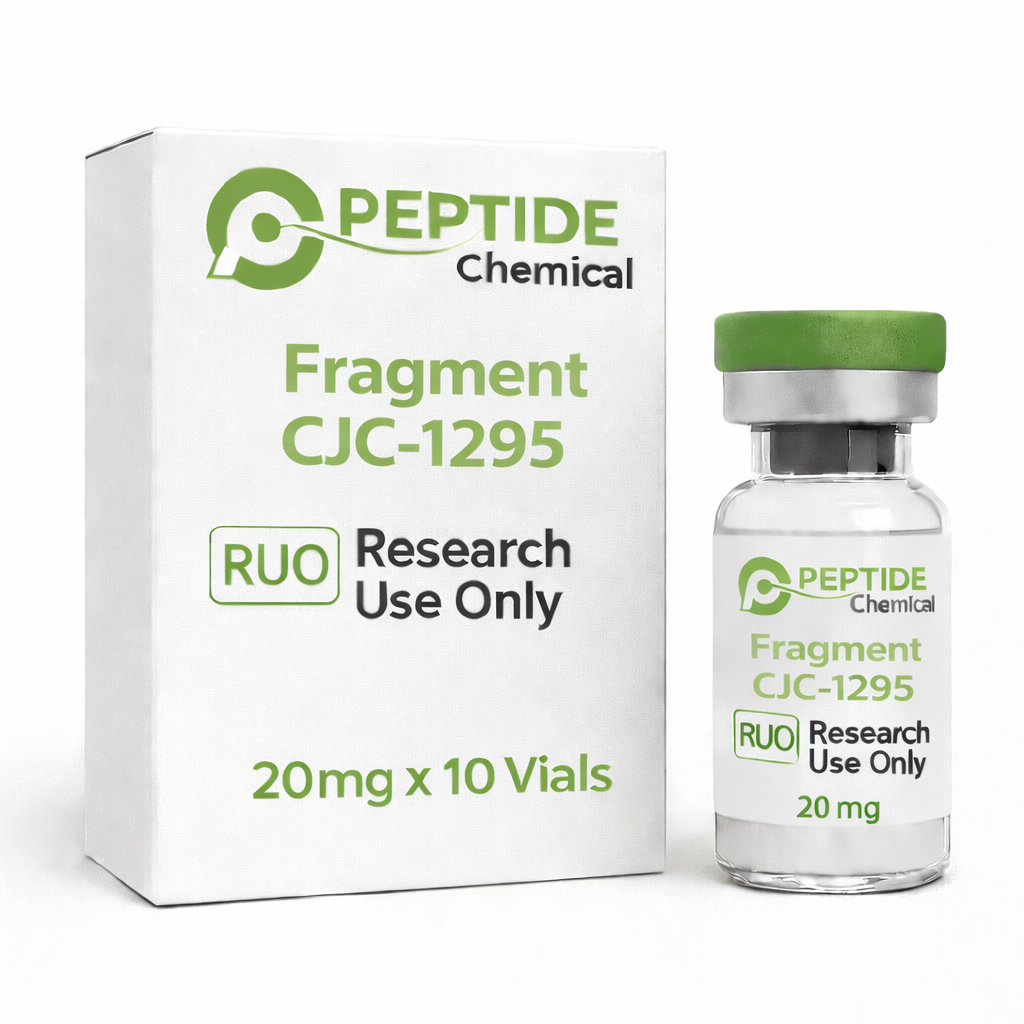
Fragment, Modified GRF, Ipamorelin 12mg (Blend)
$100.00
Fragment, CJC-1295 (no DAC), and Ipamorelin is a research peptide blend combining hGH Fragment 176–191 with GHRH and ghrelin receptor agonists for coordinated growth hormone axis modeling. The fragment modulates AMPK and β-adrenergic signaling, CJC-1295 (Mod GRF 1–29) activates GHRH receptor pathways, and Ipamorelin stimulates calcium-dependent GHS-R1a signaling. This blend supports research into metabolic peptide synergy and hypothalamic–pituitary function.
Description
Shipping & Delivery
Related products
BPC-157 10mg
 BPC-157 has undergone a great deal of research because its healing abilities extend well beyond the lining of the stomach. Studies in animal models indicate that BPC-157 can enhance angiogenesis, promote wound healing, stimulate collagen synthesis, modulate the inflammatory response, and protect against oxidative stress. The peptide has shown benefits in animal models with inflammatory bowel disease, GI ulcers, musculoskeletal injuries, heart damage, eye injuries and neurological damage. Research has shown that the oral bioavailability of BPC-157 is quite high.
 BPC-157 15mg
BPC-157 has undergone a great deal of research because its healing abilities extend well beyond the lining of the stomach. Studies in animal models indicate that BPC-157 can enhance angiogenesis, promote wound healing, stimulate collagen synthesis, modulate the inflammatory response, and protect against oxidative stress. The peptide has shown benefits in animal models with inflammatory bowel disease, GI ulcers, musculoskeletal injuries, heart damage, eye injuries and neurological damage. Research has shown that the oral bioavailability of BPC-157 is quite high. 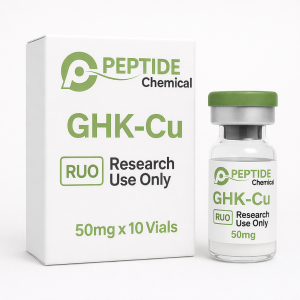
GHK-Cu 50mg Copper Peptide
GHK-Cu is a small, naturally occurring peptide with the ability to attenuate inflammation, improve antioxidant responses, and improve gene expression on a large scale. Research shows that this copper-chelating peptide may be of critical importance both in the prevention of neurodegenerative disease and as a tool for exploring pathophysiological mechanisms. Studies in mice have revealed that GHK-Cu can protect against neurological insults, improve wound healing, reduce rates of infection, and boost blood vessel growth. The peptide has been of interest in recent years for its anti-oxidant properties that, in combination with its ability to alter gene expression patterns, appear to help slow or even reverse some aspects of aging.



Reviews
There are no reviews yet.