

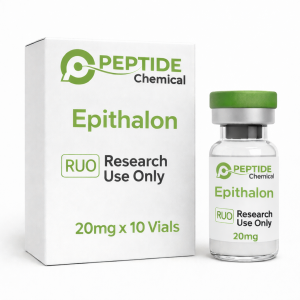
Epithalon (Epitalon) is a research peptide consisting of a synthetic tetrapeptide (Ala-Glu-Asp-Gly) derived from the natural thymic peptide Epithalamin. It has been shown in preclinical research to influence telomerase activation, oxidative regulation, and circadian gene expression via modulation of pineal peptide signaling pathways. Epithalon is utilized as a model compound in studies investigating genomic stability, epigenetic control, and neuroendocrine peptide regulation.
For research use only. Not for human consumption.
References:
Khavinson VK et al., Bull Exp Biol Med, 2003;135(4):429–432
Khavinson VK et al., Biogerontology, 2007;8(3):305–313
Anisimov VN et al., Neuro Endocrinol Lett, 2003;24(3–4):233–240
New
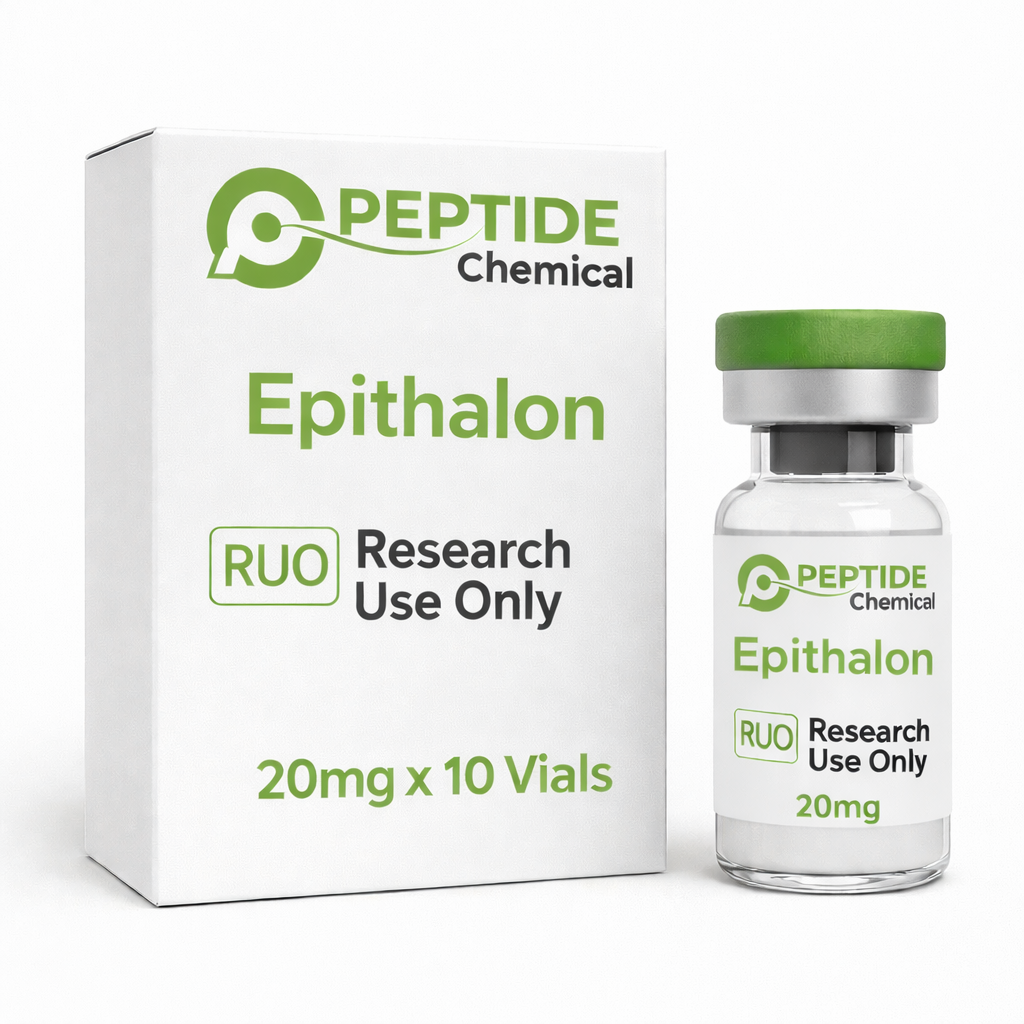
Epithalon (Epitalon)
$215.00
Epithalon (Epitalon) is a research peptide consisting of a synthetic tetrapeptide (Ala-Glu-Asp-Gly) derived from the natural thymic peptide Epithalamin. It has been shown in preclinical research to influence telomerase activation, oxidative regulation, and circadian gene expression via modulation of pineal peptide signaling pathways. Epithalon is utilized as a model compound in studies investigating genomic stability, epigenetic control, and neuroendocrine peptide regulation.
Description
Shipping & Delivery
Related products
AOD9604 6mg
AOD9604 is a modified version of the hGH fragment 176-191 peptide (contains a di-sulfide bridge) and thus a derivative of human growth hormone (hGH). Originally developed as a lipolytic (fat burning) compound, AOD9604 has shown benefit in studies of heart disease, osteoarthritis/cartilage repair, and metabolic syndrome. AOD9604 stimulates lipolysis (the breakdown or destruction of fat) and inhibits lipogenesis in animal studies.
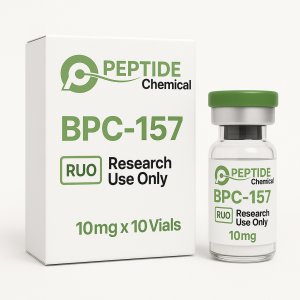
BPC-157 10mg
 BPC-157 has undergone a great deal of research because its healing abilities extend well beyond the lining of the stomach. Studies in animal models indicate that BPC-157 can enhance angiogenesis, promote wound healing, stimulate collagen synthesis, modulate the inflammatory response, and protect against oxidative stress. The peptide has shown benefits in animal models with inflammatory bowel disease, GI ulcers, musculoskeletal injuries, heart damage, eye injuries and neurological damage. Research has shown that the oral bioavailability of BPC-157 is quite high.
 BPC-157 5mg
BPC-157 has undergone a great deal of research because its healing abilities extend well beyond the lining of the stomach. Studies in animal models indicate that BPC-157 can enhance angiogenesis, promote wound healing, stimulate collagen synthesis, modulate the inflammatory response, and protect against oxidative stress. The peptide has shown benefits in animal models with inflammatory bowel disease, GI ulcers, musculoskeletal injuries, heart damage, eye injuries and neurological damage. Research has shown that the oral bioavailability of BPC-157 is quite high. 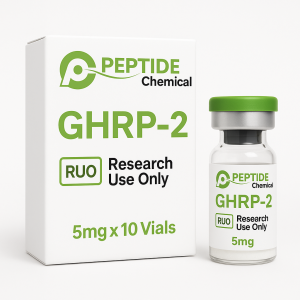
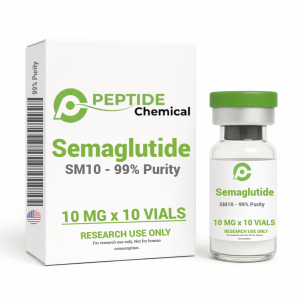
Semaglutide 10
Semaglutide is a widely researched peptide-based compound recognized for its significant role in metabolic regulation and appetite control. It belongs to the class of GLP-1 receptor agonists, which are designed to mimic naturally occurring hormones involved in glucose metabolism and satiety signaling.
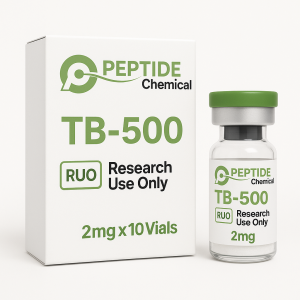
TB-500 (Thymosin Beta-4) (43aa) (2mg x 10 Vials = 20mg)
TB-500 (Thymosin Beta-4) is a 43 amino acid peptide sequence. In animal models, Thymosin Beta-4 has been shown to improve blood vessel growth, regulate wound healing, decrease inflammation, and reduce oxidative damage in the heart and central nervous system. Thymosin-beta-4 has a role in protection, tissue repair, regeneration and remodeling of injured or damaged tissues. It is also of active interest in anti-aging research.



Reviews
There are no reviews yet.