

DSIP (Delta Sleep-Inducing Peptide)
Delta Sleep-Inducing Peptide (DSIP) is a naturally occurring neuropeptide originally isolated from mammalian brain tissue. It is widely studied in neuroscience and endocrine research due to its interaction with central nervous system signaling pathways and its influence on peptide-mediated cellular communication.
In laboratory research, DSIP is valued for its role in modulating neuronal signaling and intracellular communication. Its activity provides researchers with a model to study how short neuropeptides influence regulatory pathways within the central nervous system under controlled conditions.
One of the defining characteristics of DSIP is its short amino acid sequence, which allows precise investigation into peptide–receptor interactions without the complexity of longer peptide chains. This compact structure is ideal for high-precision laboratory studies.
DSIP is frequently examined in research exploring neuronal homeostasis and neuropeptide-mediated signaling. Researchers study how DSIP influences intracellular signaling networks, contributing to a better understanding of peptide control mechanisms in neural systems.
The peptide is also used in studies investigating interactions with other neurotransmitter systems. Its signaling influence provides a platform for examining molecular crosstalk and peptide modulation of central nervous system pathways.
DSIP’s stable molecular structure supports reproducibility in experimental settings. Consistent behavior in vitro makes it suitable for comparative studies and long-term research designs.
Researchers often utilize DSIP to examine regulatory signaling dynamics within neuronal networks. Its effects on receptor-mediated pathways allow controlled study of peptide signaling specificity.
Unlike broad-acting neurotransmitters, DSIP operates primarily through targeted modulation of intracellular and receptor-mediated pathways, providing precise control in laboratory models.
DSIP is also of interest in research focused on adaptive cellular signaling, stress-response pathways, and peptide-mediated intracellular regulation. It serves as a model compound to explore how short neuropeptides influence system-level neural coordination.
Because DSIP affects multiple central nervous system pathways, it is often included in systems-based research to study integrated neuronal responses rather than isolated effects.
The peptide’s well-characterized molecular profile and predictable signaling behavior make DSIP a reliable research tool for neuroscience and peptide biology studies.
DSIP continues to attract scientific interest due to its compact design, stability, and relevance in understanding complex peptide-regulated signaling networks in neuronal systems.
Its precise structure and targeted signaling properties make DSIP an important compound for researchers investigating peptide-mediated communication and neuropeptide function in controlled laboratory environments.
New
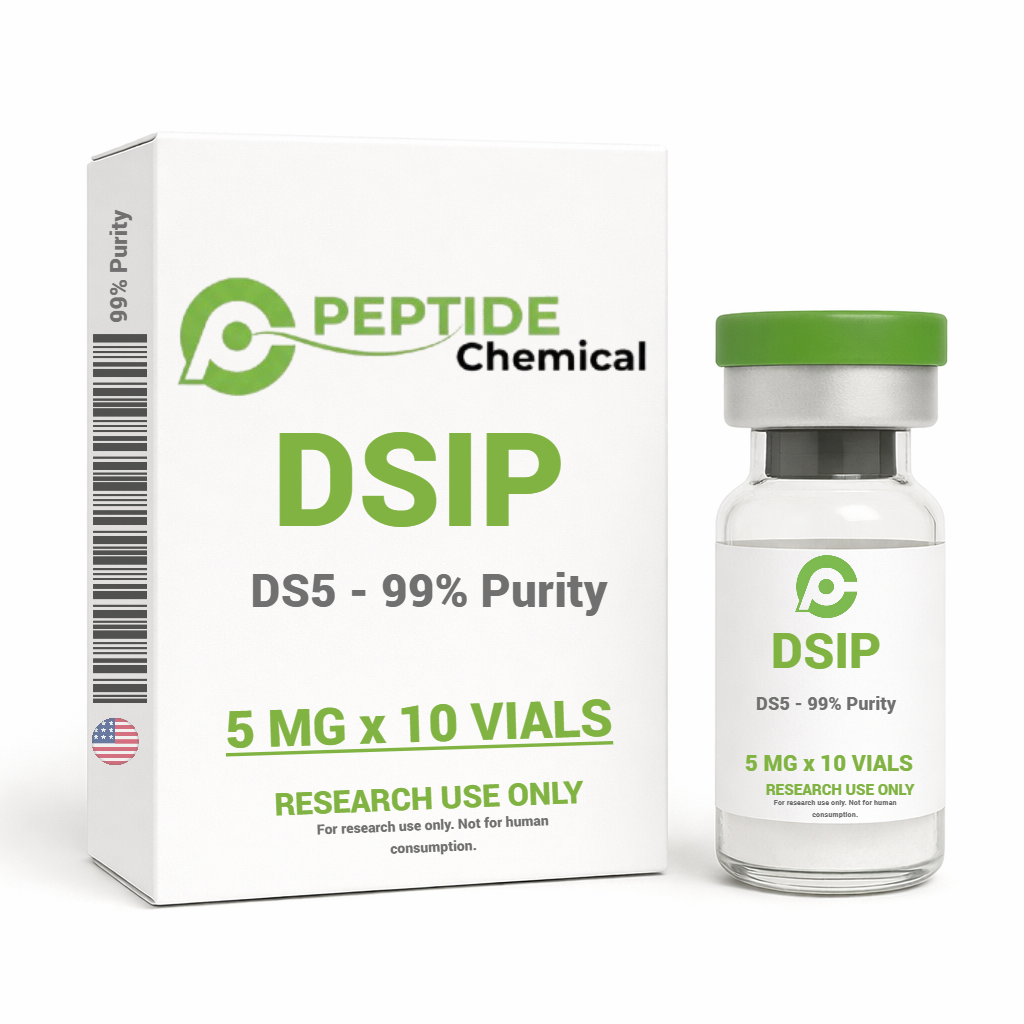
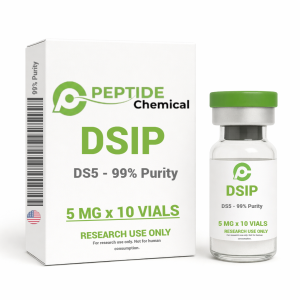
DSIP (Delta Sleep-Inducing Peptide) 5mg
$40.00
Delta Sleep-Inducing Peptide (DSIP) is a naturally occurring neuropeptide originally isolated from mammalian brain tissue. It is widely studied in neuroscience and endocrine research due to its interaction with central nervous system signaling pathways and its influence on peptide-mediated cellular communication.
Description
Shipping & Delivery
Related products
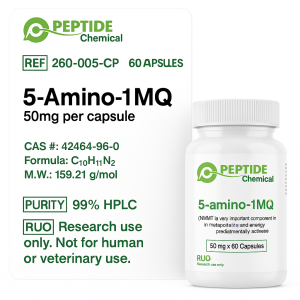
5-Amino-1MQ 50mg (60 Capsules)
 5-amino-1MQ is a small molecule that blocks the activity of the enzyme called nicotinamide N-methyltransferase (NNMT). NNMT is a very important component in metabolism and energy and is predominantly active in fat tissue. By blocking NNMT, 5-amino-1MQ stimulates an increase in nicotinamide adenine dinucleotide (NAD+), a cofactor that is central to cellular metabolism, thereby increasing metabolic rate and activating a gene called sirtuin-1 (SIRT1).
SIRT1 is also known as the "longevity gene" because of its role in reducing the risk of diabetes, obesity, metabolic syndrome, atherosclerosis and other forms of cardiovascular disease, kidney disease, liver disease, neurodegeneration, and cancer. Research in mice given 5-amino-1MQ showed a 7% reduction in body mass over 10 days without any changes in food intake, compared to controls. Research has shown that decreasing NNMT may help shrink fat cells and reduce the size of fat deposits.
5-amino-1MQ is a small molecule that blocks the activity of the enzyme called nicotinamide N-methyltransferase (NNMT). NNMT is a very important component in metabolism and energy and is predominantly active in fat tissue. By blocking NNMT, 5-amino-1MQ stimulates an increase in nicotinamide adenine dinucleotide (NAD+), a cofactor that is central to cellular metabolism, thereby increasing metabolic rate and activating a gene called sirtuin-1 (SIRT1).
SIRT1 is also known as the "longevity gene" because of its role in reducing the risk of diabetes, obesity, metabolic syndrome, atherosclerosis and other forms of cardiovascular disease, kidney disease, liver disease, neurodegeneration, and cancer. Research in mice given 5-amino-1MQ showed a 7% reduction in body mass over 10 days without any changes in food intake, compared to controls. Research has shown that decreasing NNMT may help shrink fat cells and reduce the size of fat deposits. 
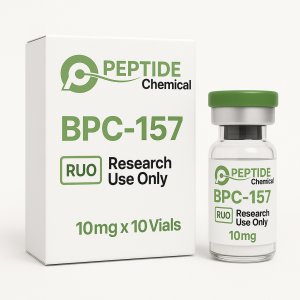
AOD9604 6mg
AOD9604 is a modified version of the hGH fragment 176-191 peptide (contains a di-sulfide bridge) and thus a derivative of human growth hormone (hGH). Originally developed as a lipolytic (fat burning) compound, AOD9604 has shown benefit in studies of heart disease, osteoarthritis/cartilage repair, and metabolic syndrome. AOD9604 stimulates lipolysis (the breakdown or destruction of fat) and inhibits lipogenesis in animal studies.
BPC-157 10mg
BPC-157 has undergone a great deal of research because its healing abilities extend well beyond the lining of the stomach. Studies in animal models indicate that BPC-157 can enhance angiogenesis, promote wound healing, stimulate collagen synthesis, modulate the inflammatory response, and protect against oxidative stress. The peptide has shown benefits in animal models with inflammatory bowel disease, GI ulcers, musculoskeletal injuries, heart damage, eye injuries and neurological damage. Research has shown that the oral bioavailability of BPC-157 is quite high. BPC-157 15mg
BPC-157 has undergone a great deal of research because its healing abilities extend well beyond the lining of the stomach. Studies in animal models indicate that BPC-157 can enhance angiogenesis, promote wound healing, stimulate collagen synthesis, modulate the inflammatory response, and protect against oxidative stress. The peptide has shown benefits in animal models with inflammatory bowel disease, GI ulcers, musculoskeletal injuries, heart damage, eye injuries and neurological damage. Research has shown that the oral bioavailability of BPC-157 is quite high. BPC-157, TB-500, KPV, GHK-Cu 80mg (Klow Blend)
BPC-157 has undergone a great deal of research because its healing abilities extend well beyond the lining of the stomach. Studies in animal models indicate that BPC-157 can enhance angiogenesis, promote wound healing, stimulate collagen synthesis, modulate the inflammatory response, and protect against oxidative stress. The peptide has shown benefits in animal models with inflammatory bowel disease, GI ulcers, musculoskeletal injuries, heart damage, eye injuries and neurological damage. Research has shown that the oral bioavailability of BPC-157 is quite high. 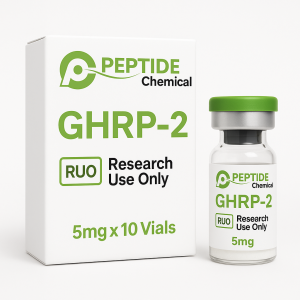
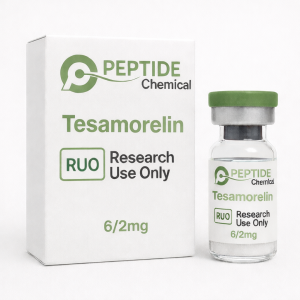
Tesamorelin, Ipamorelin 8mg (Blend)
The scientific community continues to explore new applications for Ipamorelin, particularly in regenerative biology, metabolic optimization, and long-term health research. As understanding of GH and IGF-1 pathways deepens, Ipamorelin remains a cornerstone tool for investigating the body’s natural growth and repair mechanisms.



Reviews
There are no reviews yet.