

Botulinum Toxin
Botulinum toxin is a highly potent neurotoxic protein produced by the bacterium Clostridium botulinum. In scientific research, it is primarily studied for its precise and well-characterized effects on neuromuscular signaling and neurotransmitter release mechanisms.
At the molecular level, botulinum toxin acts by interfering with SNARE proteins involved in synaptic vesicle fusion. This disruption prevents the release of acetylcholine at neuromuscular junctions, making the toxin a powerful tool for studying neurotransmission and synaptic regulation.
In laboratory research, botulinum toxin is valued for its specificity. Its targeted action on cholinergic nerve terminals allows researchers to investigate how chemical signaling controls muscle contraction and neural communication at a highly detailed level.
Botulinum toxin has become an important model compound in neurobiology. Researchers use it to explore synaptic plasticity, nerve signaling interruption, and the recovery processes that occur following temporary neurotransmission blockade.
The toxin’s mechanism has contributed significantly to understanding how neurons communicate with muscle fibers. By selectively inhibiting signal transmission, it enables controlled examination of neuromuscular dependency and signaling thresholds.
Botulinum toxin is also studied in cellular trafficking research. Its interaction with intracellular transport pathways provides insight into protein internalization, vesicle movement, and enzymatic cleavage processes within nerve cells.
In neuroscience research, botulinum toxin serves as a reference compound for investigating inhibitory signaling effects. Its predictable molecular behavior supports reproducible experiments across different neurological models.
Researchers are also interested in the toxin’s structural biology. Detailed study of its protein domains has helped expand understanding of protein folding, receptor binding, and enzymatic specificity.
Botulinum toxin has played a key role in advancing knowledge of synaptic disorders. By mimicking pathological signal interruption, it allows scientists to model disease-related disruptions in neurotransmission under controlled conditions.
The compound is frequently used in comparative studies involving other neurotoxins to better understand differences in receptor affinity, cellular entry mechanisms, and duration of activity.
Because of its extreme potency, botulinum toxin is handled exclusively in specialized research environments with strict safety protocols. This characteristic underscores its role as a laboratory-controlled substance rather than a general-use compound.
Botulinum toxin research has contributed extensively to modern neuropharmacology. Insights gained from its study have influenced broader understanding of nerve signaling, muscle control, and cellular communication.
Its precise and localized action makes it uniquely valuable for studying targeted neural inhibition without widespread systemic effects in experimental models.
As neuroscience and cellular signaling research continue to evolve, botulinum toxin remains a foundational compound for exploring the mechanisms that govern synaptic transmission and neuromuscular control.
New
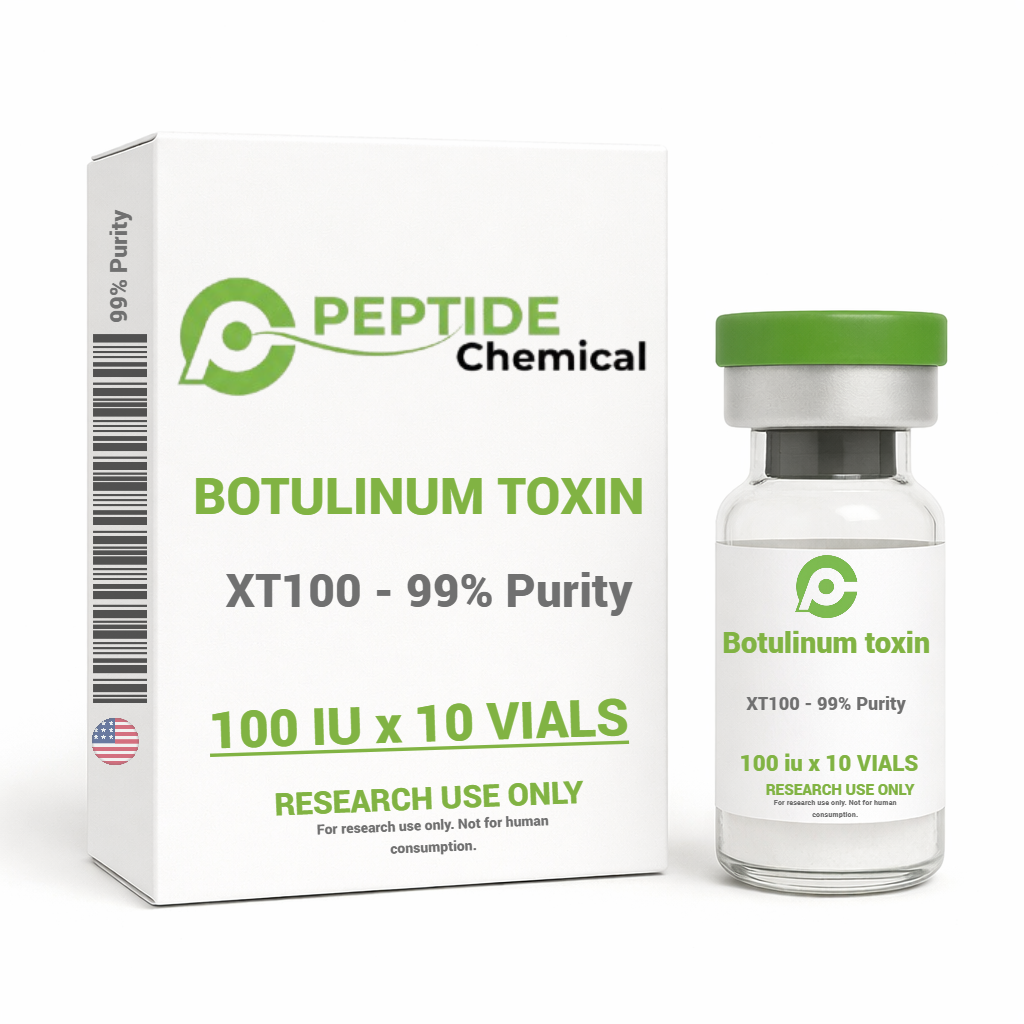
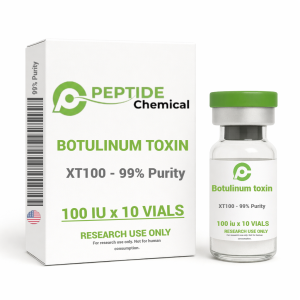
Botulinum toxin
$130.00
Botulinum toxin is a highly potent neurotoxic protein produced by the bacterium Clostridium botulinum. In scientific research, it is primarily studied for its precise and well-characterized effects on neuromuscular signaling and neurotransmitter release mechanisms.
Description
Shipping & Delivery
Related products
AOD9604 6mg
AOD9604 is a modified version of the hGH fragment 176-191 peptide (contains a di-sulfide bridge) and thus a derivative of human growth hormone (hGH). Originally developed as a lipolytic (fat burning) compound, AOD9604 has shown benefit in studies of heart disease, osteoarthritis/cartilage repair, and metabolic syndrome. AOD9604 stimulates lipolysis (the breakdown or destruction of fat) and inhibits lipogenesis in animal studies.
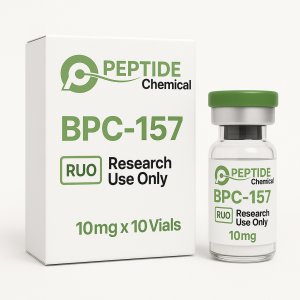
BPC-157 15mg
 BPC-157 has undergone a great deal of research because its healing abilities extend well beyond the lining of the stomach. Studies in animal models indicate that BPC-157 can enhance angiogenesis, promote wound healing, stimulate collagen synthesis, modulate the inflammatory response, and protect against oxidative stress. The peptide has shown benefits in animal models with inflammatory bowel disease, GI ulcers, musculoskeletal injuries, heart damage, eye injuries and neurological damage. Research has shown that the oral bioavailability of BPC-157 is quite high.
 BPC-157 5mg
BPC-157 has undergone a great deal of research because its healing abilities extend well beyond the lining of the stomach. Studies in animal models indicate that BPC-157 can enhance angiogenesis, promote wound healing, stimulate collagen synthesis, modulate the inflammatory response, and protect against oxidative stress. The peptide has shown benefits in animal models with inflammatory bowel disease, GI ulcers, musculoskeletal injuries, heart damage, eye injuries and neurological damage. Research has shown that the oral bioavailability of BPC-157 is quite high. 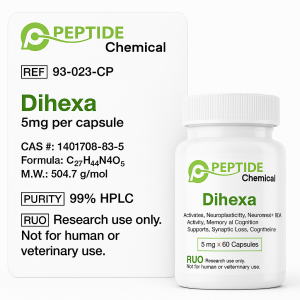
Dihexa (5mg x 60 Capsules = 300mg)
Dihexa is a small peptide-derived compound designed to support cognitive function and brain regeneration. It acts by activating the HGF/c-Met signaling pathway, which plays a critical role in forming new synaptic connections and enhancing neuroplasticity. Dihexa also mimics the action of brain-derived neurotrophic factor (BDNF), a key molecule involved in learning, memory, and neuronal survival. Preclinical research studies have shown that Dihexa can significantly improve memory consolidation and reverse cognitive deficits in models of Alzheimer’s disease, traumatic brain injury, and stroke. Unlike traditional nootropics or growth factors with poor blood–brain barrier penetration, Dihexa is orally bioavailable and metabolically stable, allowing for targeted CNS effects. Its unique mechanism positions it as a promising research compound for neurodegenerative conditions, offering potential in synaptic repair, inflammation reduction, and long-term cognitive enhancement. 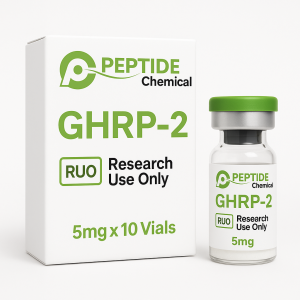



Reviews
There are no reviews yet.