

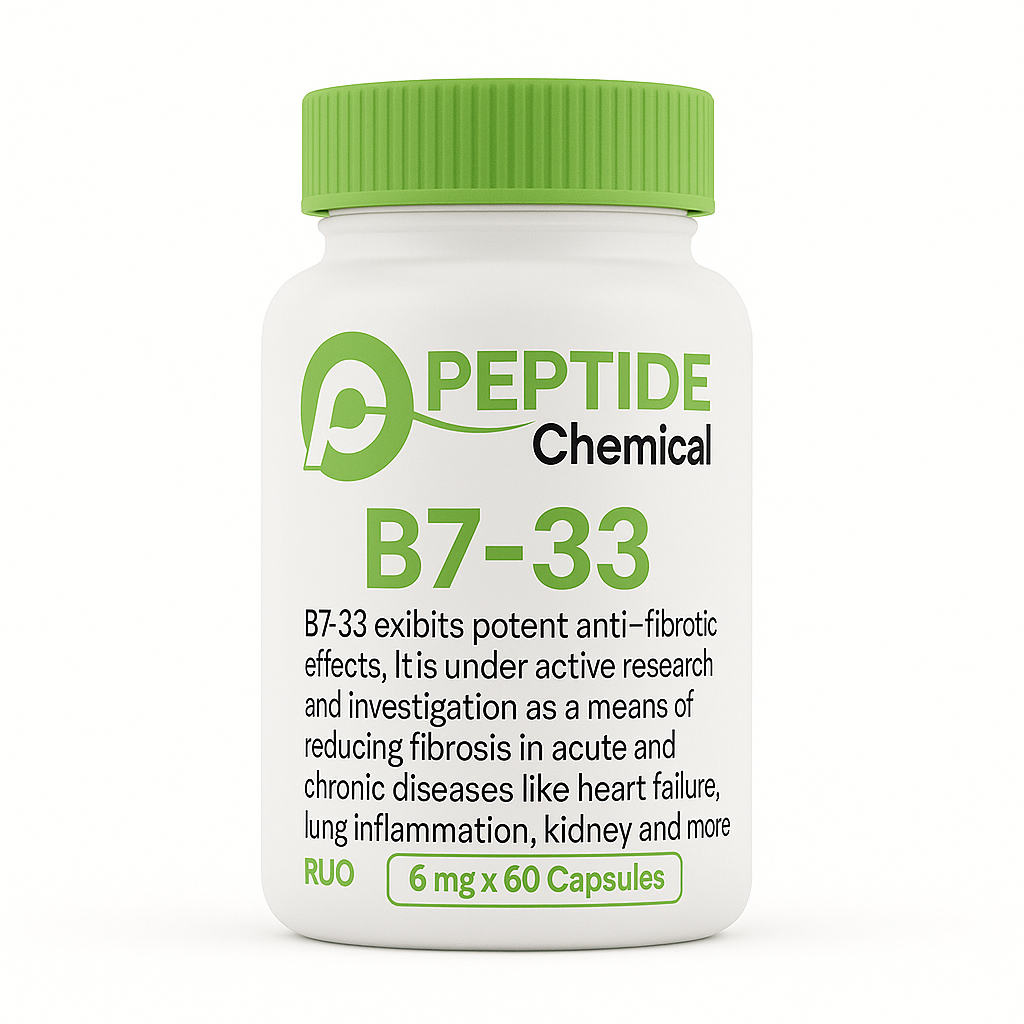
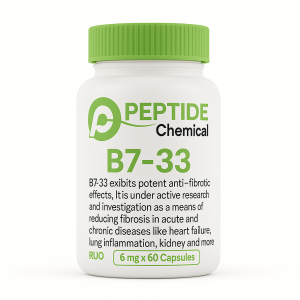
B7-33 exibits potent anti-fibrotic effects. It is under active research and investigation as a means of reducing fibrosis in acute and chronic diseases like heart failure, lung inflammation, kidney and more.
In animal studies, B7-33 has reduced fibrosis by roughly 50%, leading to prolonged survival following injury and offering the first new means of treating heart failure in 20 years.
It has been shown to reduce excessive scar formation following cardiac injury. It has also shown promise in the treatment of certain vascular disorders as well as preeclampsia of pregnancy.
New
B7-33 6mg
$70.00
B7-33 exibits potent anti-fibrotic effects. It is under active research and investigation as a means of reducing fibrosis in acute and chronic diseases like heart failure, lung inflammation, kidney and more.
In animal studies, B7-33 has reduced fibrosis by roughly 50%, leading to prolonged survival following injury and offering the first new means of treating heart failure in 20 years.
It has been shown to reduce excessive scar formation following cardiac injury. It has also shown promise in the treatment of certain vascular disorders as well as preeclampsia of pregnancy.
Description
Shipping & Delivery
Related products
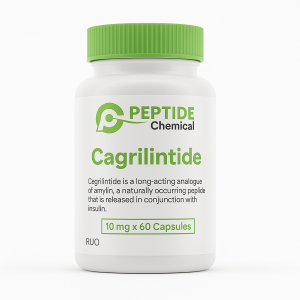
Cagrilintide
Cagrilintide is a long-acting analogue of amylin, a naturally occurring peptide that is released in conjunction with insulin. Cagrilintide has shown promise in animal trials as a treatment for obesity and type 2 diabetes. It has been studied for benefits not just in type 2 diabetes, but for liver damage, alcohol-related liver disease, and heart/blood vessel disease. There is some speculation about the role of this peptide in Alzheimer’s disease as well, but no research has been published in that particular sub-domain, yet. Many trials, however, have looked at the combination of cagrilintide and semaglutide in the treatment of obesity and type 2 diabetes. The two proteins appear to work synergistically to provide more robust and more permanent weight loss effects. It is important to note that while preclinical studies suggest promising therapeutic potential, clinical trials in humans are limited. Further research needs to be done to determine the efficacy and safety profiles.
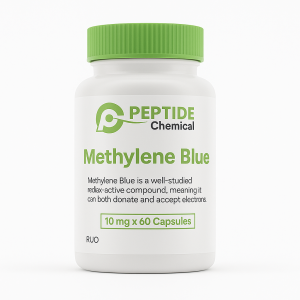
Methylene Blue
Methylene Blue is a well-studied redox-active compound, meaning it can both donate and accept electrons — a key function in cellular energy processes. This allows it to enhance mitochondrial function by supporting the electron transport chain, improving ATP production and reducing oxidative stress. Research shows it also modulates inflammatory pathways and protects mitochondrial integrity. Methylene Blue is studied for its neuroprotective, metabolic, and anti-aging properties, making it a promising compound for brain health and cellular resilience.
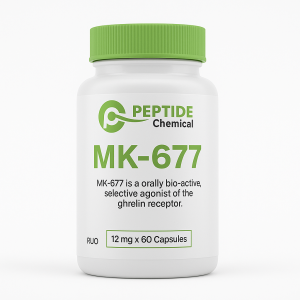
MK-677 (Ibutamoren) 12.5mg (60 Capsules)
MK-677, is a orally bio-active, selective agonist of the ghrelin receptor. Research shows that MK-677 increases the natural secretion of growth hormone (GH) and insulin-like growth factor 1 (IGF-1), but does not affect cortisol levels. It is being researched as a possible treatment for GH deficiency, muscle and bone wasting, appetite stimulation and Alzheimer's disease. MK-677 research in mice, appeared to prevent the onset of AD, even in genetically predisposed mice, as long as it was started before significant amyloid beta accumulation. MK-677 research has also shown exceptionally promising benefits in improving sleep quality.
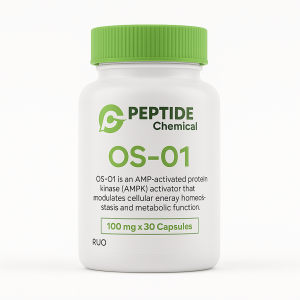
OS-01 (100mg x 30 Capsules)



OS-01 is an AMP-activated protein kinase (AMPK) activator that modulates cellular energy homeostasis and metabolic function. AMPK, a central regulator of energy balance, is activated in response to low intracellular ATP levels, enhancing glucose uptake, fatty acid oxidation, and mitochondrial biogenesis. OS-01 stimulates AMPK phosphorylation, leading to increased ATP production, improved insulin sensitivity, and enhanced autophagic flux, thereby promoting cellular repair and longevity. This compound has been shown to mitigate oxidative stress by downregulating reactive oxygen species (ROS) and inflammatory cytokines, reducing cellular damage and aging-related dysfunction. Additionally, OS-01 enhances endurance by optimizing energy substrate utilization and preserving glycogen stores during exercise. It plays a protective role in renal and cardiovascular systems by attenuating fibrosis, reducing endothelial dysfunction, and improving mitochondrial efficiency. Preclinical studies suggest its potential in managing metabolic disorders, including type 2 diabetes, obesity, and cardiovascular diseases, by improving glucose homeostasis and reducing insulin resistance. Furthermore, OS-01’s activation of autophagy contributes to neuroprotection, reducing age-related neurodegeneration. Its multifaceted mechanism positions it as a promising candidate for therapeutic intervention in metabolic and age-related diseases.
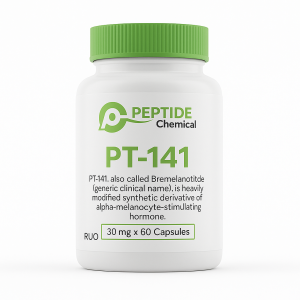
PT-141
PT-141, also called Bremelanotide (generic clinical name), is a heavily modified synthetic derivative of alpha-melanocyte-stimulating hormone. It has been tested in clinical trials as a treatment for both male/female hypoactive sexual desire disorder and acute hemorrhage. PT-141 is an agonist for the melanocortin-4 and melanocortin-1 receptors. Research shows that it promotes sexual arousal and stimulates the immune system.
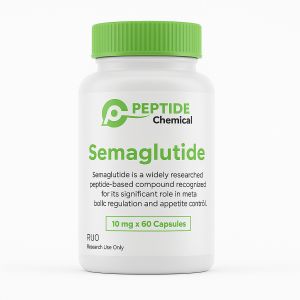
Semaglutide 3m
Semaglutide is a widely researched peptide-based compound recognized for its significant role in metabolic regulation and appetite control. It belongs to the class of GLP-1 receptor agonists, which are designed to mimic naturally occurring hormones involved in glucose metabolism and satiety signaling.



Reviews
There are no reviews yet.